

Reapplying sunscreen is the single most skipped step in skin protection, and it is costing your skin dearly. According to the Skin Cancer Foundation, no matter the SPF, reapplication every two hours is essential for maintaining full broad-spectrum coverage. A sunscreen mist is a spray-format sunscreen designed to deposit a fine, even layer of UV protection without the mess of traditional lotions. The right mist turns a dreaded chore into a quick, five-second refresh you can do over makeup, at your desk, or poolside. Below, we break down the best sunscreen mists built specifically for easy, consistent reapplication throughout the day.
Why Sunscreen Reapplication Matters More Than SPF
Many people assume a high SPF number means all-day protection. In reality, UV filters degrade, wear off, and wash away with sweat and water over time. The Skin Cancer Foundation confirms that dermatologists recommend reapplying at least every two hours, regardless of formula, SPF, or brand.
Studies also reveal that most people apply only 25 to 50 percent of the recommended amount, which dramatically lowers the actual protection they receive. Meanwhile, surveys suggest roughly 65% of Americans do not reapply sunscreen regularly. The easier reapplication is, the more likely you are to actually do it.
What Makes a Great Sunscreen Mist
A sunscreen mist is not just any spray. The best mists share a few characteristics that set them apart for midday touch-ups.
Fine, Even Coverage
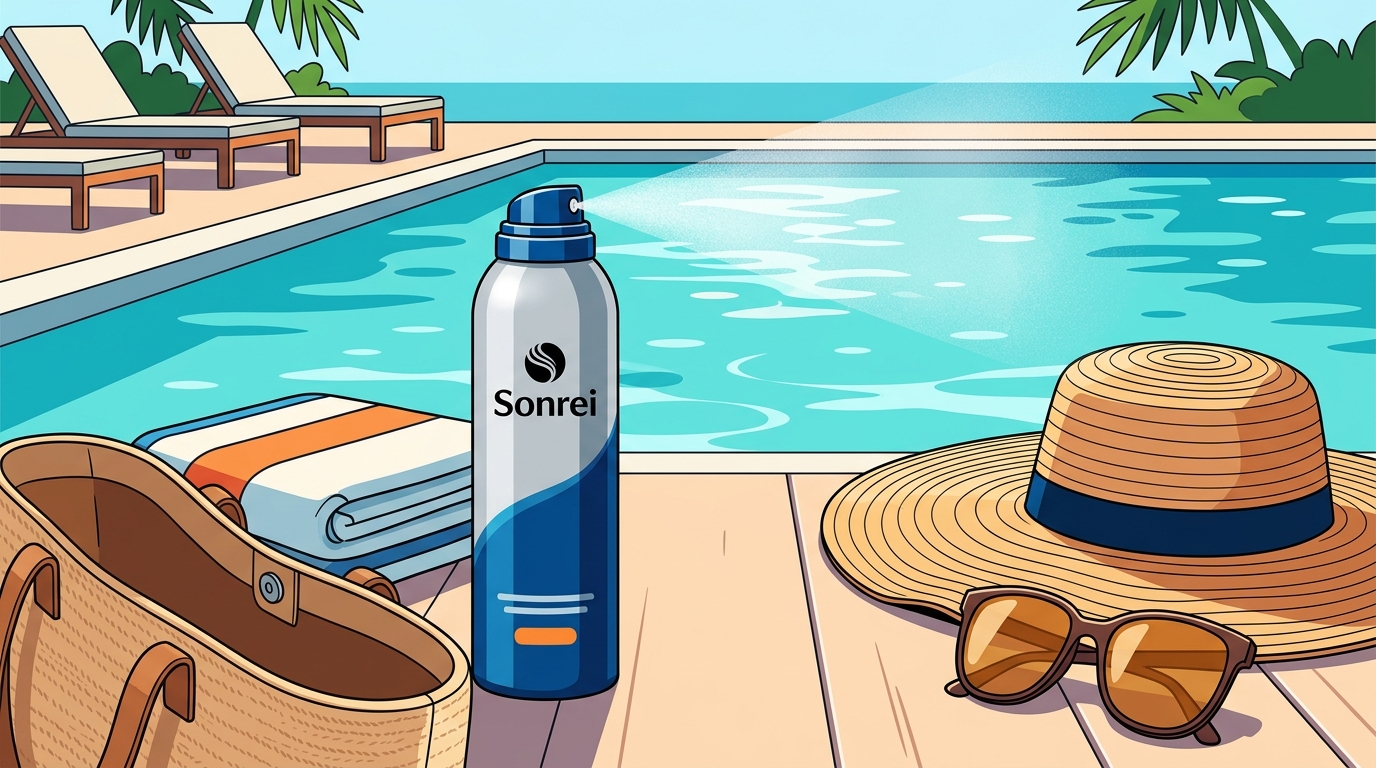
Look for non-aerosol or compressed-air systems that deliver a continuous, even mist rather than sputtering droplets. Aerosol cans can contain up to half their weight in propellant gas, meaning less actual sunscreen per spray.
Invisible, Non-Greasy Finish
A great reapplication mist should be clear, ultra-sheer, and non-comedogenic so it layers over makeup or bare skin without a white cast or oily residue. This is especially important for deeper skin tones.
Broad-Spectrum Protection with Antioxidants
The best formulas pair UVA/UVB filters with antioxidants like vitamins C and E or ferulic acid that boost photostability and fight free-radical damage between applications.
Top Sunscreen Mists for Reapplication
Here are standout mists worth keeping in your bag, car, or beach tote.
| Product | SPF | Type | Key Features | Water Resistant |
|---|---|---|---|---|
| Sonrei Sea Clearly Organic Mist SPF 50 | 50 | Chemical (Organic) | 70% organic ingredients, ferulic acid, aerosol-free, fragrance-free | Yes (80 min) |
| Sonrei Clearly Zinq Mineral Mist SPF 30 | 30 | Mineral (Non-Nano Zinc Oxide) | Aloe vera, shea butter, reef-compliant, recyclable aluminum | Yes (80 min) |
| Supergoop! RE:SETTING Mist SPF 40 | 40 | Chemical | Four-filter UV system, oil-absorbing powders, sets makeup | No |
| EltaMD UV AOX Mist | 40 | Hybrid | Sprays white, dries clear, full-body coverage | Yes (80 min) |
The Sonrei Sea Clearly Organic Mist stands out because its proprietary compressed-air system replaces chemical propellants with a sustainable design that delivers smooth, even coverage. It earned the Shape 2023 Skin Award for Best Sunscreen Spray, and its formula includes ferulic acid to enhance the stability of vitamins C and E for superior photostability.
Chemical vs. Mineral Mist Sunscreens
A chemical sunscreen is a formula that absorbs UV rays and converts them into heat energy before they can damage skin cells. A mineral (physical) sunscreen is a formula that uses ingredients like zinc oxide or titanium dioxide to reflect and scatter UV rays away from the skin.
The Sonrei Organic Mist Collection gives you both options. The Sea Clearly line uses chemical filters like avobenzone and homosalate for an ultra-sheer finish, while the Clearly Zinq line uses non-nano zinc oxide for those who prefer mineral protection. Both feature 70% certified organic ingredients and are free from oxybenzone and octinoxate.
How to Apply Sunscreen Mist Correctly
Using a mist improperly can leave skin patchy and unprotected. Follow these steps for full coverage.
Step-by-Step Application
Shake the bottle well. Hold it 4 to 6 inches from the skin and spray evenly until a visible sheen appears. For your face, spray into your hands first and then press the product onto your skin. Always rub in spray sunscreen on the body to ensure even distribution.
Timing Your Reapplication
Apply your initial layer 15 minutes before sun exposure. Reapply every two hours outdoors, and immediately after swimming, sweating, or towel-drying. If you are spending a full day outside, the Skin Cancer Foundation recommends using one four-ounce bottle per person.
Best Sunscreen Mists for Kids
Getting children to sit still for sunscreen is a universal challenge. A mist format solves this by making application fast and fuss-free. The Sonrei Kids Clear Organic SPF 50 Mist features a 360-degree sprayer that covers squirming kids from any angle with a quick-drying, non-greasy finish. It is vegan, hypoallergenic, fragrance-free, and water-resistant for 80 minutes.
For parents who prefer mineral protection, the Sonrei Kids Zinq Mineral Mist SPF 30 uses non-nano zinc oxide with aloe vera and shea butter. It goes on white for easy visibility, then blends in without leaving an oily residue. Both kids formulas are made in the USA and are Hawaii reef-compliant.
Key Takeaways
- Reapply sunscreen every two hours, no matter the SPF. Mists make this fast and effortless.
- Look for aerosol-free mists that use compressed air to maximize actual sunscreen delivery per spray.
- Choose broad-spectrum protection (UVA and UVB) with an SPF of at least 30, or SPF 50+ for extended outdoor activity.
- Antioxidants like ferulic acid, vitamin C, and vitamin E boost photostability between reapplications.
- Always rub in body mist after spraying; never rely on a quick pass alone.
- Stock multiple bottles in your car, bag, and home so you never have an excuse to skip. Sonrei bundle packs make this easy.
- Kids-specific mists with 360-degree sprayers simplify protection for active children.
Frequently Asked Questions
How often should I reapply sunscreen mist?
Dermatologists and the Skin Cancer Foundation recommend reapplying every two hours when outdoors, and immediately after swimming, sweating, or towel-drying. If you are indoors away from windows, you can extend this to every four to six hours.
Can I spray sunscreen mist directly on my face?
No. Spray the mist into your hands first and then press or pat the product onto your face. This ensures even coverage and prevents accidental inhalation.
Are sunscreen mists as effective as lotions?
They can be, but only if you apply enough and rub it in. Sprays are particularly useful for reapplication over large areas or sandy, sweaty skin where rubbing in a lotion would be uncomfortable.
What is the difference between aerosol and non-aerosol mists?
Aerosol sunscreens use pressurized chemical propellants to dispense the product, while non-aerosol mists use compressed air or mechanical pumps. Non-aerosol options deliver more sunscreen per spray and are generally considered more environmentally sustainable.
Do sunscreen mists leave a white cast?
Chemical-filter mists like the Sonrei Sea Clearly SPF 50 dry completely clear. Mineral mists may show a slight white cast initially but blend away with gentle rubbing, especially formulas designed for all skin tones.
Are sunscreen mists safe for kids?
Yes, as long as you choose a formula tested for sensitive skin and apply it correctly. Spray into your hands first before applying to a child's face, and consult a pediatrician before using sunscreen on infants under six months.
What SPF should I look for in a reapplication mist?
The Skin Cancer Foundation advises SPF 30 or higher for daily use and SPF 50 or higher for extended outdoor activity. Pair any SPF with consistent reapplication for the best protection.
Find Your Perfect Reapplication Mist
Ready to make midday sunscreen touch-ups effortless? Explore the full Sonrei Organic Mist Collection, featuring award-winning, aerosol-free formulas made with 70% certified organic ingredients for every skin tone and type. Your skin will thank you at every reapplication.