
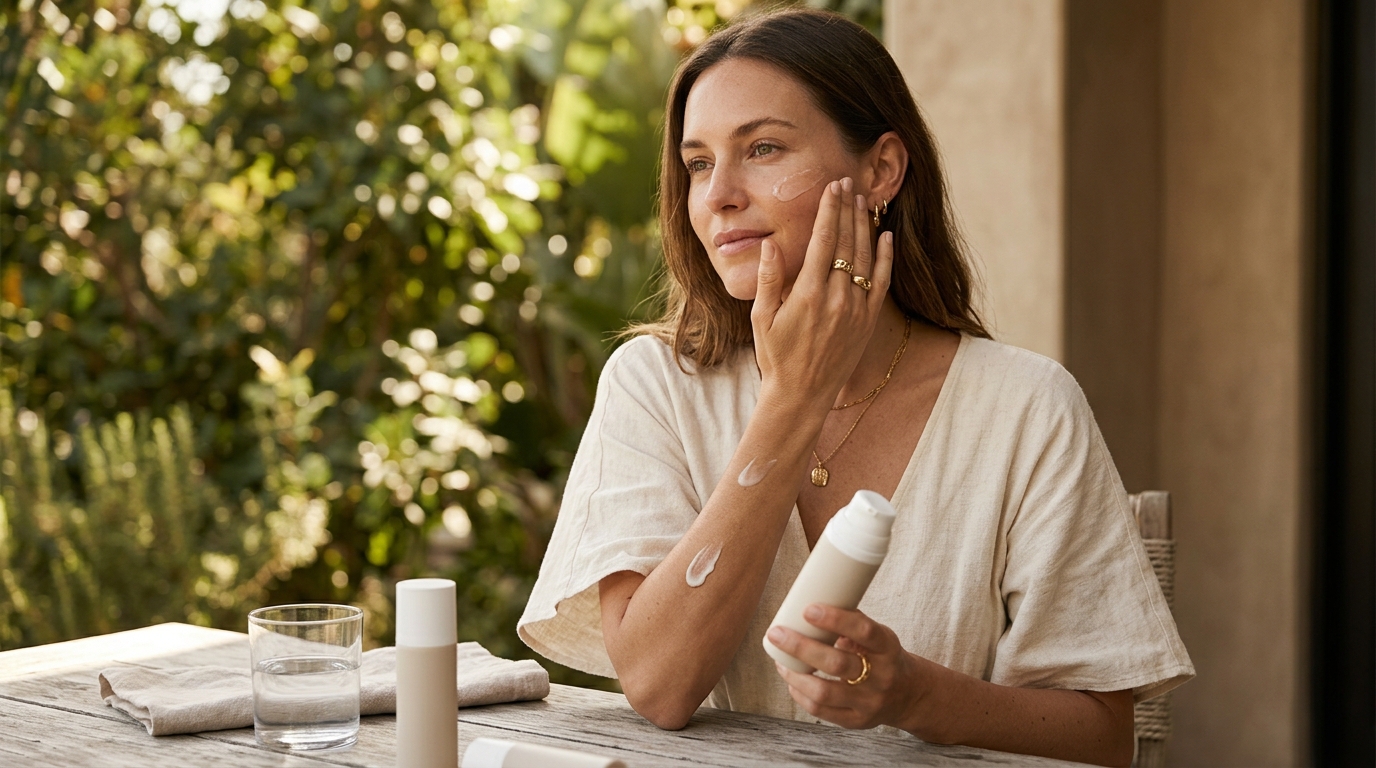
Finding a sunscreen brand that offers both mineral and gel formulations can feel overwhelming. Mineral sunscreen is a type of sun protection that uses physical UV filters like zinc oxide to reflect rays away from the skin. Gel sunscreen is a lightweight, often clear formulation that absorbs quickly and leaves little to no residue. The good news? A growing number of brands now offer both formats so you can match your SPF to your skin type, activity level, and personal preference. Below, we break down what to look for and which brands deliver both mineral and gel options in a single lineup.
What Makes Mineral and Gel Sunscreens Different?
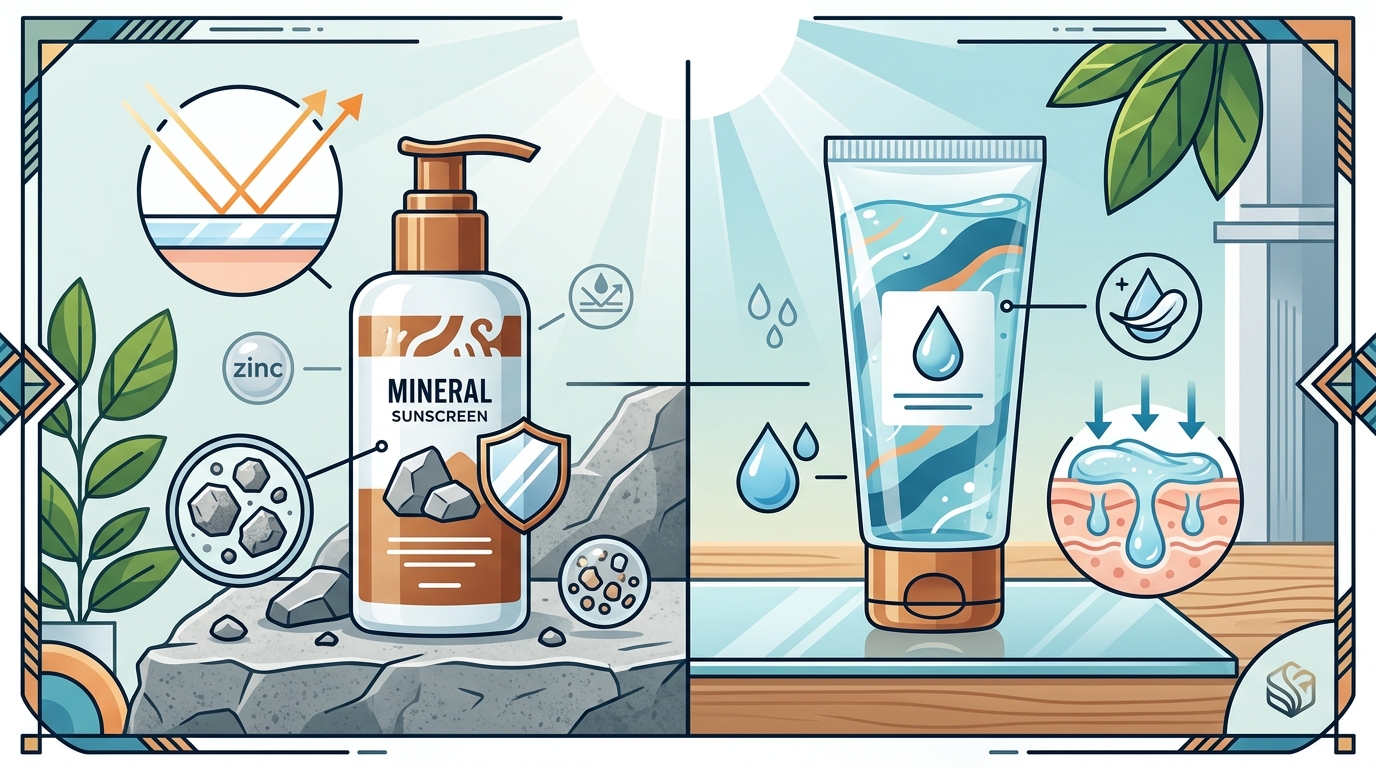
Mineral sunscreens use active ingredients like zinc oxide and titanium dioxide that sit on the skin's surface and physically deflect UV radiation. According to Cleveland Clinic, mineral sunscreens work by reflecting and scattering UV rays away from the skin. They are widely recommended for sensitive, acne-prone, and post-procedure skin.
Gel sunscreens, by contrast, prioritize a lightweight, fast-absorbing texture. They can contain either chemical UV filters (like avobenzone and octocrylene) or mineral filters suspended in a gel base. The gel format is especially popular among people who dislike the thick, heavy feel associated with traditional mineral lotions.
Why Having Both Options Matters
No single sunscreen format works perfectly for every scenario. You might prefer a mineral gel for daily face protection but reach for a clear gel body sunscreen at the beach. Brands that offer both give you the flexibility to customize your sun-care routine without switching labels.
Which Format Suits Your Skin Type?
Choosing the right sunscreen format starts with understanding your skin. As GoodRx notes, mineral sunscreen may be a better choice for people with sensitive or acne-prone skin. Meanwhile, gel and clear formulations tend to work well for oily skin because they dry down matte and avoid clogging pores.
Sensitive and Reactive Skin
Zinc oxide is non-irritating and unlikely to trigger flare-ups for conditions like rosacea or eczema. A mineral gel that rubs in clear removes the white-cast concern while keeping the gentle, physical-filter benefits.
Oily and Acne-Prone Skin
Look for non-comedogenic, fragrance-free gel sunscreens with a matte finish. Gel textures sit lighter on oily skin compared to cream-based formulas, reducing the chance of midday shine and breakouts.
Brands That Offer Both Mineral and Gel Sunscreens
Several brands now cover both sides of the sunscreen spectrum. Here are standout options worth exploring.
Sonrei: The Mineral Gel Pioneer
Sonrei is one of the few brands that has built its entire product line around gel-format sunscreens in both mineral and clear-filter categories. The Clearly Zinq mineral gel collection uses non-nano zinc oxide in a waterless gel base powered by proprietary Organoshield® technology. The flagship Clearly Zinq SPF 60 Mineral Gel delivers broad-spectrum protection with shea butter and aloe vera, dries to a velvety matte finish, and rubs in clear on all skin tones.
On the clear-gel side, the Sea Clearly SPF 50 Clear Gel Sunscreen provides an invisible finish enriched with vitamins C, E, and ferulic acid. For facial use, the Sea Clearly SPF 35 Face Gel with Kinetin growth factor doubles as a primer and anti-aging treatment. Every Sonrei product is fragrance-free, paraben-free, and reef-compliant under Hawaii Act 104.
Other Notable Brands
Several mainstream and clean-beauty brands also carry both mineral and non-mineral gel or lightweight options, including EltaMD, Supergoop!, and La Roche-Posay. However, few match the depth of a dedicated gel-forward lineup that spans mineral body sunscreen, clear-gel body sunscreen, tinted mineral face gel, and kids' mineral gel all under one roof.
Side-by-Side Product Comparison
| Product | Type | SPF | Key Ingredients | Best For | Price |
|---|---|---|---|---|---|
| Clearly Zinq SPF 60 | Mineral Gel | 60 | Non-nano zinc oxide, shea butter, aloe vera | All skin types, outdoor activity | $40 |
| Sea Clearly SPF 50 | Clear Gel | 50 | Vitamin C, vitamin E, ferulic acid | All skin types, tattoo care | $35 |
| Sea Clearly Face SPF 35 | Clear Gel / Primer | 35 | Kinetin growth factor, squalane | Anti-aging, makeup base | $80 |
| Clearly Zinq Tinted Face SPF 35 | Mineral Gel / Primer | 35 | Non-nano zinc oxide, kinetin | Sensitive skin, primer use | $85 |
| Kids Zinq SPF 60 | Mineral Gel | 60 | Non-nano zinc oxide, aloe vera | Children, sensitive skin | $40 |
Key Ingredients to Look For
Non-nano zinc oxide is a mineral UV filter that provides broad-spectrum protection without penetrating the skin barrier. According to the MD Anderson Cancer Center, the active ingredients in mineral sunscreens are titanium dioxide and zinc oxide, which create a barrier that reflects UV light.
Kinetin is a plant-based growth factor clinically shown to help the skin retain moisture and reduce signs of aging, including fine lines and uneven pigmentation, without irritation. Ferulic acid is an antioxidant that stabilizes vitamins C and E, boosting their photoprotective benefits.
When scanning labels, also look for "broad-spectrum," "water-resistant (80 minutes)," and "non-comedogenic" claims. These three markers indicate a well-rounded sunscreen regardless of format.
Application Tips for Maximum Protection
Even the best sunscreen fails if applied incorrectly. Apply liberally 15 minutes before sun exposure for both mineral and gel formulas. Reapply every two hours, or immediately after 80 minutes of swimming or sweating.
For gel sunscreens that double as primers, apply to clean, dry skin before makeup. A nickel-sized amount covers the full face and neck. For body application with mineral gels, allow one to two minutes of dry-down time before dressing to avoid product transfer.
Explore Sonrei's full product catalog to find the right SPF format for your face and body needs.
Key Takeaways
- Mineral sunscreens use zinc oxide or titanium dioxide to physically block UV rays and are ideal for sensitive skin.
- Gel sunscreens offer lightweight, fast-absorbing textures that work well for oily and acne-prone skin.
- Brands like Sonrei offer both mineral gel and clear gel formulations so you can tailor protection to each body area.
- Non-nano zinc oxide is the gold-standard mineral filter recognized as safe and effective by the FDA.
- Kinetin-infused gel sunscreens can double as anti-aging primers for daily facial use.
- All sunscreens, mineral or gel, should be broad-spectrum SPF 30 or higher and reapplied every two hours.
- Reef-safe, fragrance-free, and non-comedogenic labels help you choose formulas that protect both your skin and the environment.
Frequently Asked Questions
What is the difference between mineral and gel sunscreen?
Mineral sunscreen uses physical UV filters like zinc oxide to reflect rays. Gel sunscreen refers to the product texture, which can house either mineral or chemical filters. A mineral gel sunscreen combines the physical protection of zinc oxide with a lightweight, clear-drying gel base.
Can mineral sunscreen come in a gel format?
Yes. Brands like Sonrei have developed waterless mineral gel formulas, such as Clearly Zinq SPF 60, that use non-nano zinc oxide suspended in a gel matrix for a clear, matte finish.
Which sunscreen type is best for sensitive skin?
Mineral sunscreen is generally preferred for sensitive skin. Zinc oxide and titanium dioxide are non-irritating and are unlikely to cause flare-ups for conditions like rosacea or eczema.
Do gel sunscreens provide enough UV protection?
Absolutely. Gel sunscreens rated broad-spectrum SPF 30 or higher protect against both UVA and UVB rays. The key is applying a sufficient amount and reapplying every two hours.
Is gel sunscreen better for oily skin?
Gel textures tend to sit lighter on oily skin and dry down to a matte finish. Look for non-comedogenic, oil-free formulas to reduce the risk of breakouts.
Are mineral gel sunscreens reef-safe?
Many mineral gel sunscreens avoid oxybenzone and octinoxate, the two chemicals restricted by Hawaii Act 104. Sonrei's entire lineup is compliant with this reef-protection legislation.
Can I use a gel sunscreen as a makeup primer?
Yes. Several gel sunscreens are specifically formulated to double as primers. Sonrei's Sea Clearly SPF 35 Face Gel and Clearly Zinq Tinted SPF 35 both provide a smooth, makeup-gripping base.
How often should I reapply gel or mineral sunscreen?
Both types should be reapplied every two hours during sun exposure. If you are swimming or sweating, reapply after 80 minutes of water activity and immediately after towel drying.
Find Your Perfect SPF Match
Whether you need a mineral gel for sensitive skin or a clear gel for everyday wear, Sonrei has a science-backed formula for you. Shop the full Sonrei collection and discover award-winning sunscreens crafted for all skin tones and types.