

Best SPF Products for Face With Growth Factor Skincare Benefits
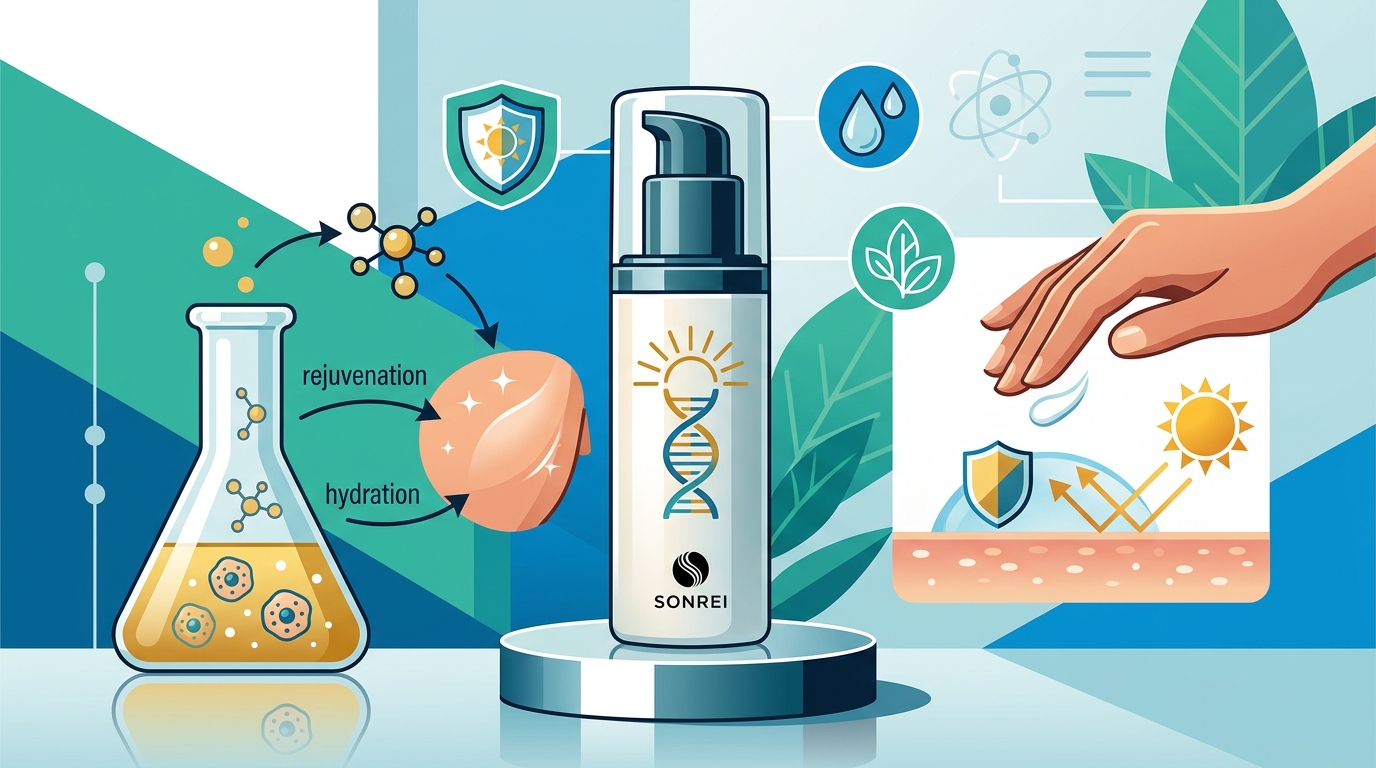
Finding a facial sunscreen that does more than block UV rays is the new standard in modern skincare. Growth factor sunscreens combine broad-spectrum SPF protection with clinically backed anti-aging ingredients like kinetin, delivering hydration, rejuvenation, and defense in a single step. If you have been layering a serum under your sunscreen every morning and wondering whether one product could do both jobs, the answer is yes. This guide breaks down what growth factors are, how they work in sunscreen formulas, and which SPF products for the face deliver real skincare results.
What Are Growth Factors in Skincare?
Growth factors are proteins naturally produced by skin cells that regulate cell division, collagen synthesis, and tissue repair. In topical skincare, they are derived from human stem cells, bioengineered sources, or plants and are formulated to improve skin barrier function and reduce signs of aging. When applied to the skin, growth factors boost collagen production, improve elasticity, and promote cell turnover for smoother, firmer texture.
Unlike retinol, which accelerates cell turnover but can cause dryness and irritation, growth factors promote natural cell regeneration with a lower risk of sensitivity. This makes them an appealing option for people with reactive or sensitive skin who still want anti-aging benefits.
Why Combine SPF With Growth Factors?
Sunscreen is non-negotiable for preventing premature aging and skin cancer. But most sunscreens stop at protection. A growth factor sunscreen bridges the gap between sun defense and active skin rejuvenation, delivering both in a single application. Sonrei created the concept of growth factor sunscreen, merging superior sun protection with meaningful skincare benefits in one intelligent formula.
The practical advantage is clear: fewer products, less layering, and better daily compliance. When your SPF already contains hydrating and anti-aging actives, you are more likely to use it consistently, which is the single most important factor in long-term skin health.
The Science Behind Kinetin
Kinetin (N6-furfuryladenine) is a plant-derived growth factor originally studied for its ability to extend the lifespan of plant cells. It is now recognized for its anti-aging potential in human skin. In a randomized, double-blind, placebo-controlled clinical trial on 52 subjects, kinetin combined with niacinamide produced significant reductions in wrinkles, pores, and uneven pigmentation over 12 weeks.
Kinetin vs. Retinol
Retinol remains a gold-standard anti-aging ingredient, but it often causes redness, peeling, and photosensitivity. Kinetin delivers comparable benefits without irritation, making it suitable for daily use under sun exposure. Sonrei's Sea Clearly formulas use kinetin as a gentle yet effective alternative to retinol, offering anti-aging benefits without the harsh side effects.
Key Clinical Findings
Research published in the Journal of Cosmetic Dermatology found that kinetin enhanced deposits of fibrillin-1 and elastin fibers in the upper dermis while stimulating keratinocyte production in the epidermis. A separate clinical study on 100 subjects confirmed kinetin improved skin texture, fine lines, and hyperpigmentation with excellent tolerability.
What to Look for in a Growth Factor Sunscreen
Not every SPF product with "anti-aging" on the label contains meaningful actives. Here is what separates a true growth factor sunscreen from basic formulas:
- Broad-spectrum UVA/UVB protection at SPF 30 or higher
- A named growth factor like kinetin listed in the ingredient deck
- Clean formulation free from oxybenzone, octinoxate, parabens, and fragrance
- Non-comedogenic texture suitable for daily facial use
- Multi-use functionality such as primer compatibility
Sonrei's facial growth factor sunscreen collection checks every box, with formulas that are vegan-friendly, reef-compliant under Hawaii Act 104, and free from gluten, alcohol, and PABA.
Chemical vs. Mineral Growth Factor Sunscreens
Choosing between chemical and mineral filters comes down to skin type, finish preference, and activity level. Both can be formulated with growth factors. Here is a side-by-side comparison of Sonrei's two facial SPF options:
| Feature | Sea Clearly SPF 35 | Clearly Zinq SPF 35 |
|---|---|---|
| Filter Type | Chemical | Mineral (Non-Nano Zinc Oxide) |
| Growth Factor | Kinetin | Kinetin |
| Finish | Invisible, clear gel | Tinted, matte gel |
| Water Resistance | 40 minutes | 80 minutes |
| Primer Function | Yes | Yes |
| Best For | All skin tones, no-white-cast priority | Sensitive skin, longer outdoor activity |
| Price | From $80 | From $85 |
| Awards | 2 NACD Silver Awards | 2 NACD Silver Awards |
Both products are formulated with dermatologists, free from oxybenzone and octinoxate, and designed for every skin tone. The Sea Clearly gel leaves a truly invisible finish, while Clearly Zinq uses a physical zinc oxide barrier ideal for sensitive or reactive skin.
How to Apply Growth Factor SPF for Best Results
Morning Routine Integration
Apply your growth factor sunscreen as the last step in your morning skincare routine, after cleansing and moisturizing. Shake the bottle well, then apply liberally to face and neck 15 minutes before sun exposure. Because both Sonrei facial SPFs double as primers, you can apply foundation directly on top.
Reapplication Schedule
Reapply at least every two hours during extended outdoor time. After swimming or sweating, reapply based on the product's water resistance rating: 40 minutes for Sea Clearly, 80 minutes for Clearly Zinq.
Maximizing Anti-Aging Benefits
Consistency matters more than any single application. Daily use of kinetin-based sunscreen over weeks and months compounds the anti-aging benefits, improving moisture retention, fine lines, and skin texture progressively.
Key Takeaways
- Growth factor sunscreens combine UV protection with active anti-aging ingredients in one product, simplifying your routine.
- Kinetin is a plant-derived growth factor clinically shown to reduce fine lines, wrinkles, and hyperpigmentation without irritation.
- Unlike retinol, kinetin is safe for daytime use and does not increase photosensitivity.
- Sonrei offers both chemical (Sea Clearly) and mineral (Clearly Zinq) SPF 35 options, each powered by kinetin.
- Both Sonrei facial sunscreens are award-winning, reef-compliant, vegan-friendly, and free from harsh chemicals.
- Consistent daily application is the most important factor in achieving visible anti-aging results from growth factor SPF.
- Look for named growth factors in the ingredient list rather than vague "anti-aging" marketing claims.
Frequently Asked Questions
What is a growth factor sunscreen?
A growth factor sunscreen is a facial SPF product that contains growth factor proteins or peptides alongside UV filters. These actives promote collagen production, hydration, and cell renewal while the sunscreen shields skin from UVA and UVB damage.
Is kinetin safe for sensitive skin?
Yes. Kinetin is well tolerated across skin types. Clinical trials have shown it improves skin texture and reduces signs of aging without the irritation commonly associated with retinol or alpha-hydroxy acids. Sonrei formulas are also fragrance-free, alcohol-free, and non-comedogenic.
Can I use a growth factor sunscreen as a primer?
Absolutely. Both Sonrei growth factor sunscreens double as makeup primers. The gel textures grip foundation smoothly, eliminating the need for a separate primer step.
How does kinetin compare to retinol for anti-aging?
Kinetin offers similar anti-aging benefits to retinol, including reduced fine lines and improved texture, but without causing dryness, redness, or sun sensitivity. It is a gentler pathway to comparable results, making it ideal for year-round daily use.
What SPF level is recommended for daily facial use?
Dermatologists recommend a broad-spectrum SPF of at least 30 for daily facial protection. Both Sonrei facial sunscreens provide SPF 35 with broad-spectrum UVA/UVB coverage.
Are Sonrei sunscreens reef safe?
Yes. Sonrei sunscreens are compliant with Hawaii Act 104 and free from oxybenzone and octinoxate, the two UV filters most associated with coral reef harm. They also use sustainable, refillable packaging honored with NACD Silver Awards for Best Green or Sustainable Packaging.
How often should I reapply growth factor sunscreen?
Reapply at least every two hours during continuous sun exposure. If swimming or sweating, reapply after 40 minutes (Sea Clearly) or 80 minutes (Clearly Zinq), and immediately after towel drying.
Do growth factor sunscreens work on all skin tones?
Yes. Sonrei specifically designs its products for all skin tones and types. The Sea Clearly formula dries completely clear with no white cast, and the Clearly Zinq tinted formula blends seamlessly across complexions.
Find Your Growth Factor Sunscreen
Ready to simplify your routine with one product that protects, primes, and rejuvenates? Explore the Sonrei Growth Factor Sunscreen Collection and discover award-winning SPF crafted for every skin tone and type.