
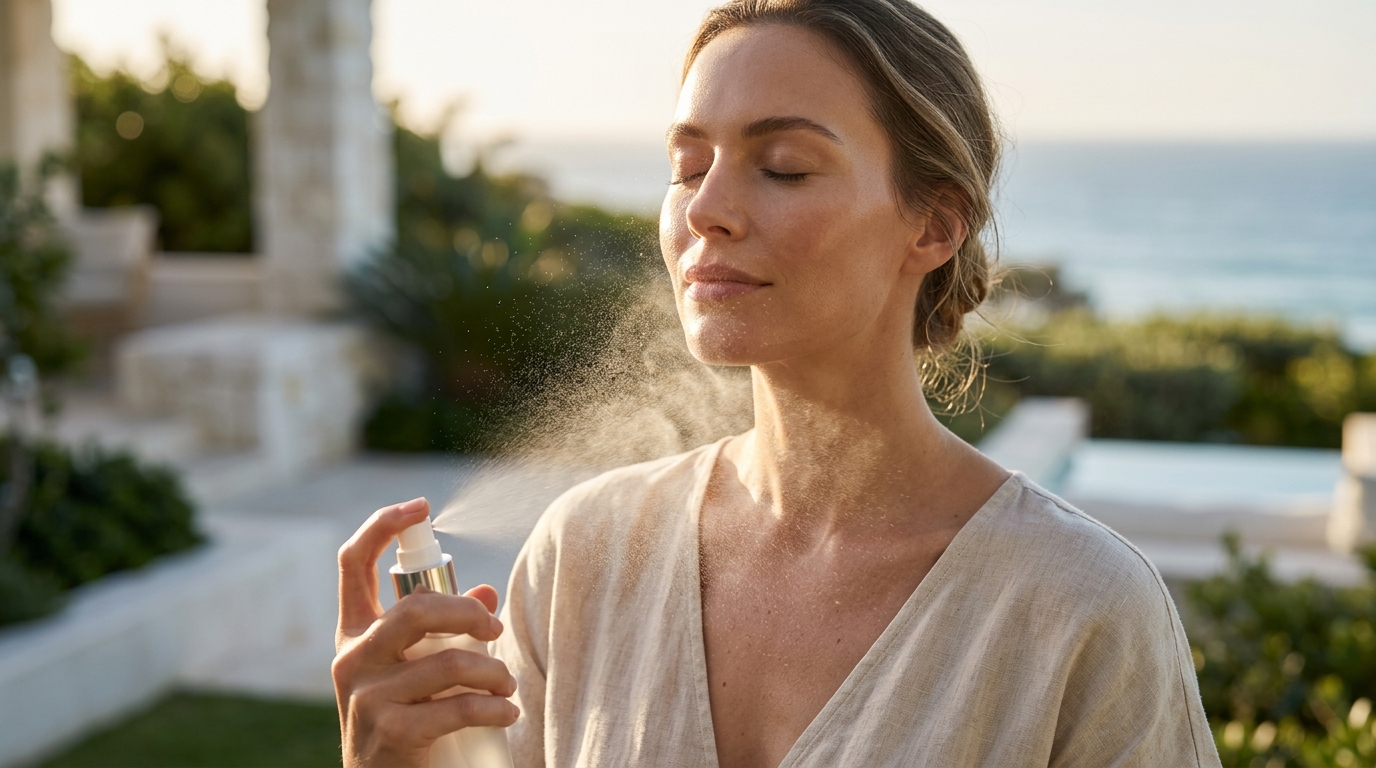
According to recent dermatological studies, approximately 75 percent of adults fail to apply the recommended amount of sunscreen during initial application. This critical gap leaves skin vulnerable to cumulative ultraviolet damage throughout the day. Reapplication remains the most effective strategy for maintaining continuous photoprotection. Modern spray formulations solve this logistical challenge by delivering uniform coverage without disrupting underlying makeup. Consumers now prioritize lightweight, non-greasy mists that integrate seamlessly into busy morning routines. (Sonrei Award Winning Luxury)
The Science Behind Mist Formulations
A sunscreen mist is a pressurized or pump-dispensed liquid designed to deliver active UV filters in a fine aerosol or vaporized state. This delivery mechanism drastically reduces the friction typically associated with rubbing thick creams into the skin. The resulting film adheres to the epidermis while maintaining a breathable texture. Dermatologists consistently recommend these formats for individuals who struggle with traditional lotion application. The rapid evaporation of volatile solvents leaves behind a concentrated layer of protective compounds. This physical barrier reflects and scatters harmful radiation before it penetrates deeper tissue layers.
Aerosol Versus Pump Mechanisms
Pump dispensers generate larger droplets that settle more predictably on textured surfaces. Aerosol systems create microscopic particles that distribute across hard-to-reach areas like the scalp and neck. Both mechanisms require careful distance management to prevent uneven pooling. Users should maintain a six inch distance from the target area for optimal dispersion. This spacing ensures the product lands as a uniform veil rather than concentrated droplets.
Key Ingredients to Prioritize
A mineral sunscreen mist is a topical formulation that relies on zinc oxide or titanium dioxide to physically block ultraviolet radiation. These inorganic compounds sit atop the skin rather than absorbing into the bloodstream. They provide immediate protection upon application without requiring a twenty minute waiting period. Consumers seeking zero irritation should verify that the ingredient list excludes chemical absorbers like oxybenzone. The particle size of these minerals directly influences transparency and cosmetic elegance. Modern micronization techniques allow these particles to blend invisibly across all complexions.
Growth Factor Integration
Advanced formulations now incorporate bioactive peptides that support natural cellular repair pathways. Kinetin growth factors stimulate collagen synthesis while neutralizing free radicals generated by sun exposure. This dual action transforms a basic protective barrier into an active skincare treatment. Users benefit from accelerated tissue recovery after prolonged outdoor activities. The combination of physical blocking and biological support creates a comprehensive defense system.
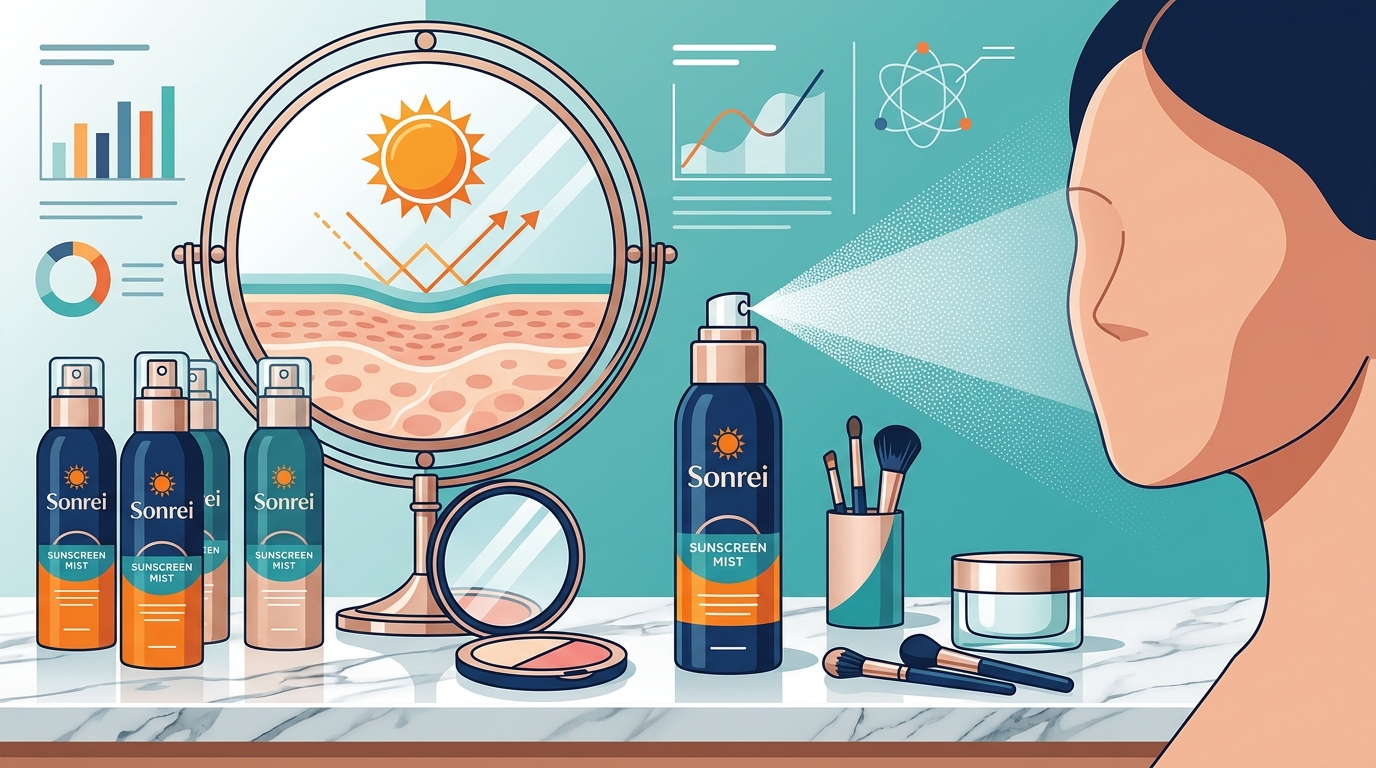
Top Mineral Options for Sensitive Skin
Sensitive skin types require formulations that minimize inflammatory triggers while maximizing coverage. Zinc oxide remains the gold standard for calming redness and preventing contact dermatitis. These mineral gels and mists avoid synthetic fragrances that commonly exacerbate reactive conditions. Brands focusing on clean beauty standards prioritize biocompatible binders and plant derived emollients. The resulting products maintain efficacy without compromising the skin barrier integrity.
Pediatric Safe Variants
Children require extra protection due to thinner epidermal layers and higher metabolic rates. Pediatric specific mists utilize larger particle sizes to ensure maximum surface reflection. These products undergo rigorous patch testing to guarantee zero stinging or burning sensations. Parents appreciate the quick drying properties that prevent sticky residue on active young skin. The non-nano mineral composition ensures environmental safety during beach or pool activities.
Clear Formulas for All Skin Tones
A clear sunscreen spray is a transparent topical solution that eliminates white cast while maintaining high sun protection factor ratings. Traditional mineral products often leave a chalky residue that clashes with deeper melanin levels. Advanced optical diffusers and iron oxide blends now allow these sprays to adapt to diverse complexions. Users can apply multiple layers without compromising the natural skin tone. This transparency eliminates the guesswork associated with manual blending and buffing.
Makeup Layering Compatibility
Modern clear mists are engineered to bond with underlying primers and foundations. The fast drying formula prevents pilling or separation when layered over cosmetics. Professionals in the beauty industry rely on these sprits to refresh midday makeup routines. The lightweight texture preserves the original finish without adding unwanted shine or heaviness. This compatibility makes daily reapplication a seamless part of any grooming schedule.
Application Techniques for Maximum Coverage
Effective reapplication requires a systematic approach to ensure complete coverage without product waste. Users should divide their face into four distinct quadrants and spray each section thoroughly. Holding the canister at the proper distance prevents concentrated pooling around the eyes and hairline. A gentle patting motion helps the active ingredients bond with the skin surface. This method guarantees consistent protection across high exposure zones like the nose and cheeks.
Wind and Environmental Factors
Outdoor activities introduce wind currents that can disperse lightweight mists before they settle. Applying the product in short, controlled bursts counteracts air displacement. Users should face downwind to prevent inhalation of fine particulate matter. Shielding the eyes and mouth during application remains a critical safety precaution. These environmental adjustments ensure the protective film remains intact during active pursuits.
Pricing and Value Comparison
Investing in premium sunscreen mists yields long term savings by preventing costly dermatological interventions. The market offers tiered pricing structures that accommodate various budget constraints. Entry level options typically range from thirty five to forty dollars per container. Premium formulations featuring growth factors and advanced mineral blends command higher price points. Consumers should evaluate cost per ounce alongside active ingredient concentration to determine true value.
| Product Category | SPF Rating | Key Feature | Price Range | Best Use Case |
|---|---|---|---|---|
| Organic Body Mist | SPF 50 | Clear transparent finish | $35.00 | Daily face and body refresh |
| Mineral Body Gel | SPF 60 | Fast drying non greasy | $40.00 | Active outdoor sports |
| Growth Factor Face Mist | SPF 35 | Kinetin peptide complex | $80.00 | Anti aging skincare routine |
| Kids Mineral Mist | SPF 30 | Non nano mineral blend | $40.00 | Family beach outings |
Key Takeaways
- Reapplication every two hours remains the industry standard for maintaining continuous photoprotection.
- Micronized zinc oxide provides immediate physical blocking without chemical absorption.
- Growth factor integration accelerates cellular repair while neutralizing environmental stressors.
- Clear formulations eliminate white cast across all melanin levels without compromising coverage.
- Premium bundles often reduce per unit costs by fifteen percent for long term users.
- Complimentary shipping thresholds encourage bulk purchasing to ensure consistent daily availability.
- Non nano mineral particles maintain aquatic ecosystem safety during water based activities.
Frequently Asked Questions
Can sunscreen mists replace traditional lotions for initial application?
Mists deliver adequate coverage when applied using the recommended cross hatching technique. Users should verify that the skin appears uniformly glossy before the product dries. Lotions remain preferable for individuals with extremely dry or flaky skin textures.
Are mineral mists safe for use over active acne treatments?
Non comedogenic mineral formulations do not clog pores or exacerbate inflammatory breakouts. Zinc oxide possesses natural anti inflammatory properties that calm irritated blemishes. Users should avoid alcohol heavy sprits that may strip essential moisture barriers.
How often should I reapply sunscreen mist during peak sun hours?
Dermatological guidelines recommend reapplication every ninety minutes to two hours. Sweating and towel drying accelerate the degradation of the protective film. Consistent refreshing maintains the stated SPF rating throughout extended outdoor exposure.
Do clear mists contain iron oxides to prevent visible white residue?
Advanced clear formulations utilize trace iron oxides to neutralize blue undertones on deeper skin tones. These pigments blend invisibly while enhancing the overall protective spectrum. Users with extremely fair complexions may notice a subtle warm tint upon initial application.
Is it safe to spray sunscreen mists near the eyes?
Direct ocular exposure should always be avoided to prevent stinging or irritation. Users should close their eyes and hold their breath during application. Gentle patting around the orbital bone ensures adequate coverage without migration.
Do subscription programs offer recurring discounts for daily users?
Automated delivery programs typically reduce per unit costs while guaranteeing stock availability. Subscribers receive priority processing and exclusive access to limited edition bundles. This model eliminates the risk of running out during peak summer months.
Secure Your Daily Protection
Investing in a reliable reapplication system prevents cumulative sun damage and preserves long term skin health. Our complete collection features award winning formulations designed for seamless daily integration. Explore our full product lineup to find the exact match for your lifestyle. Begin your journey toward effortless photoprotection today by visiting sonreiskin.com and securing your preferred mist before summer demand peaks.