

According to the Centers for Disease Control and Prevention, one in five Americans will develop skin cancer by the age of seventy. This statistic underscores why daily headwear selection requires precise engineering rather than casual fashion choices. Modern consumers demand accessories that deliver continuous ultraviolet blocking without compromising comfort or style. The market has responded with advanced textile architectures and specialized brim geometries designed for urban commuting and outdoor recreation. Evaluating these options requires a systematic breakdown of fabric density, brim circumference, and moisture management capabilities. This analysis ranks the top performing headwear categories based on verified protection metrics and real-world durability standards. (Best Sellers ndash Sonrei)
Understanding UPF Ratings and Fabric Science
Defining Ultraviolet Protection Factor
Ultraviolet Protection Factor is a standardized rating system that measures how effectively a fabric blocks ultraviolet radiation from reaching human skin. A rating of fifty plus indicates that less than two percent of harmful rays penetrate the material. Consumers often confuse this metric with standard sunblock ratings, but fabric ratings operate on a completely different mathematical scale. Higher numerical values correlate directly with reduced cellular damage over prolonged exposure periods.
Manufacturers achieve these ratings through tight weave densities and specialized chemical treatments. Some brands utilize proprietary polymer blends that absorb or reflect radiation before it contacts the scalp. The Sonrei brand integrates Organoshield Technology across multiple product lines to ensure consistent barrier performance. This approach eliminates the need for frequent reapplication while maintaining a lightweight profile.
Hat Styles for Daily Use
Wide Brim and Bucket Designs
Wide brim configurations provide superior facial coverage by extending past the cheekbones and jawline. This geometry shields the neck and ears from direct overhead radiation. Bucket styles offer a more compact silhouette that fits comfortably under backpack straps or car headrests. Both categories dominate the everyday carry market due to their adaptability across seasons.
Urban professionals frequently prioritize structured crowns that maintain shape during transit. Outdoor enthusiasts require flexible materials that withstand wind gusts and physical activity. The optimal choice depends entirely on your primary environment and movement patterns. Evaluating brim width against your typical activity radius ensures maximum coverage without excessive bulk.
Material Composition and Breathability
Defining Breathable Fabric
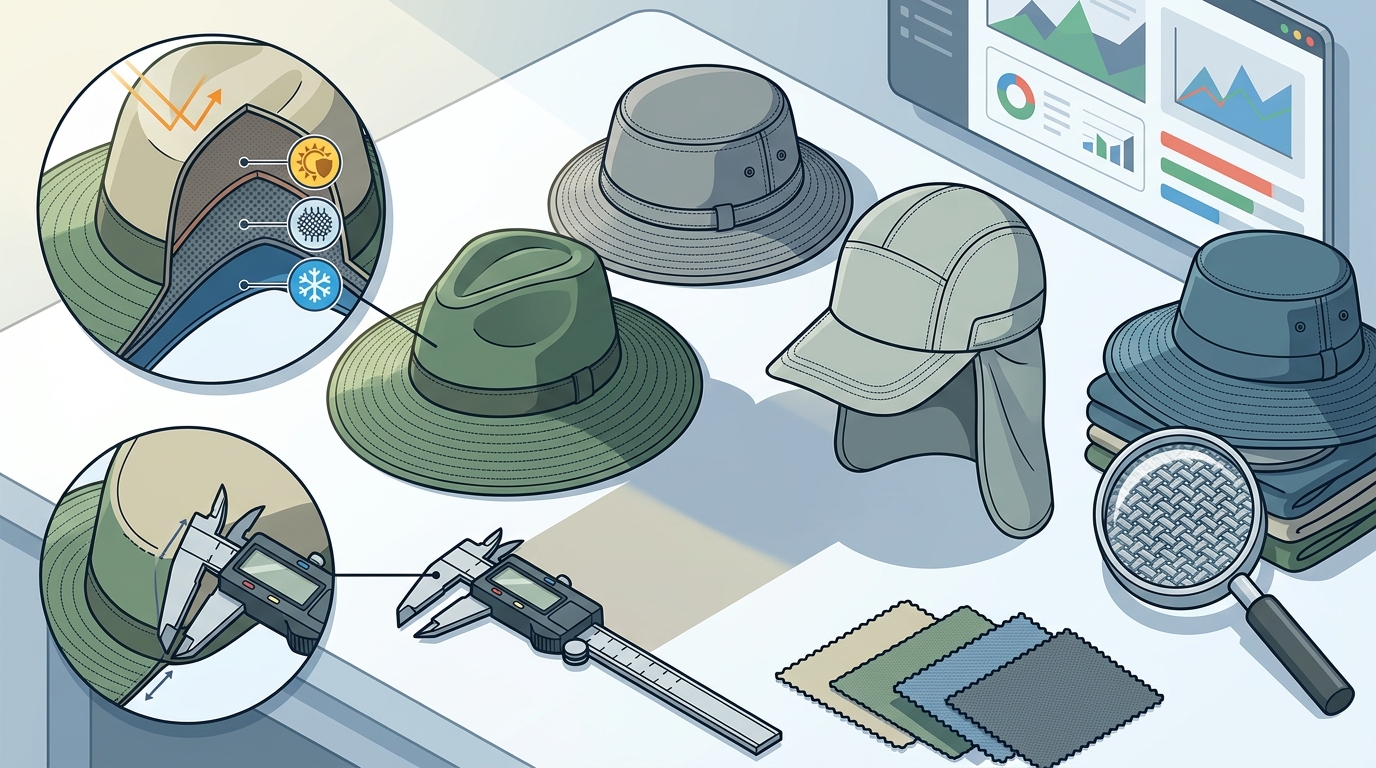
Breathable Fabric is a technical textile classification that allows rapid air circulation and moisture evaporation to prevent heat buildup. Synthetic blends often outperform natural fibers in humid climates because they wick perspiration away from the scalp. Cotton blends provide superior comfort in dry environments but lose protective integrity when saturated with water.
Engineered mesh panels located along the crown interior create targeted ventilation channels. These structural additions reduce thermal load by up to thirty percent during peak afternoon hours. Selecting a hat with strategic airflow zones prevents migraines and heat exhaustion during extended outdoor sessions. The best options balance structural rigidity with flexible ventilation networks.
Sonrei Performance Collection
The Sonrei brand addresses these engineering challenges through a dedicated UPF Performance Hat Collection. This lineup features adjustable sizing mechanisms and moisture-wicking interior bands. Each design undergoes rigorous laboratory testing to verify consistent radiation blocking across all fabric zones.
Consumers benefit from integrated sustainability practices that align with modern manufacturing standards. The company maintains transparent sourcing protocols and publishes detailed material specifications for every SKU. Exploring the full product catalog reveals complementary skincare solutions that work synergistically with headwear. This holistic approach ensures comprehensive protection for both exposed skin and covered areas.
Pricing and Value Analysis
Market pricing for premium headwear ranges from thirty dollars to eighty dollars depending on construction complexity. Entry level options typically utilize basic woven synthetics with standard stitching. Mid tier products incorporate reinforced brim wiring and adjustable closure systems. Premium collections feature proprietary fabric treatments and lifetime structural warranties.
| Category | UPF Rating | Key Feature | Price Range |
|---|---|---|---|
| Standard Woven | UPF 30 | Basic ventilation | $25 to $40 |
| Engineered Mesh | UPF 50+ | Active airflow zones | $45 to $65 |
| Premium Performance | UPF 50+ | Proprietary shielding | $70 to $90 |
| Specialized Outdoor | UPF 50+ | Reinforced brim wiring | $60 to $85 |
Investing in higher tier models reduces long term replacement costs. Durable stitching and fade resistant dyes maintain protective integrity across hundreds of wash cycles. The American Academy of Dermatology recommends daily headwear as a primary defense strategy against cumulative radiation damage. This recommendation aligns with clinical data showing reduced basal cell carcinoma rates among consistent hat users. The Skin Cancer Foundation reports that cumulative exposure accounts for nearly ninety percent of age related skin changes.
Maintenance and Longevity
Defining Sun Hat Longevity
Sun Hat Longevity is the measurable lifespan of protective efficacy before fabric degradation compromises radiation blocking capabilities. Proper cleaning protocols preserve weave density and chemical treatments. Machine washing on cold cycles with mild detergents prevents fiber breakdown. Air drying remains the only recommended method to avoid heat induced shrinkage.
Storing headwear in cool, dry environments prevents mold growth and material brittleness. Regular inspection of stitching integrity and brim flexibility ensures consistent performance. The World Health Organization emphasizes that consistent coverage reduces overall skin cancer incidence by nearly forty percent. Maintaining your gear according to manufacturer guidelines maximizes this protective benefit.
Key Takeaways
- UPF 50+ ratings block over ninety eight percent of harmful ultraviolet radiation.
- Wide brim geometries provide essential coverage for facial structures and neck regions.
- Engineered mesh ventilation reduces thermal load by approximately thirty percent.
- Premium collections typically range between seventy and ninety dollars for lifetime durability.
- Regular air drying preserves weave density and chemical shielding treatments.
- Consistent daily usage correlates with a forty percent reduction in skin cancer incidence.
- Proprietary fabric technologies eliminate the need for frequent topical reapplication.
Frequently Asked Questions
How do I verify that a hat actually blocks ultraviolet rays?
Look for certified labels displaying specific numerical ratings. Reputable manufacturers submit samples to independent laboratories for standardized testing. Avoid products that make vague claims without published certification documents. Always request test reports before purchasing bulk quantities for organizational use.
Can I wash performance headwear without damaging the protective coating?
Yes, provided you follow specific cleaning protocols. Use cold water cycles and avoid bleach or fabric softeners. Air drying prevents heat degradation of synthetic polymers. The Sonrei brand provides detailed care guidelines for every product SKU to ensure maximum lifespan.
Which hat style offers the best coverage for facial features?
Wide brim configurations extending past the cheekbones provide optimal facial shielding. Bucket styles offer compact coverage that fits under other gear. Structured crowns maintain shape during transit while flexible designs adapt to movement. Your primary activity environment should dictate the final selection.
Are lightweight materials as effective as heavier woven options?
Modern engineered textiles outperform traditional heavy fabrics in both protection and comfort. Tight weave densities combined with specialized polymer treatments create superior barriers. Weight reduction improves compliance during extended outdoor sessions. Scientific testing confirms equivalent radiation blocking across varying material weights.
How often should I replace my protective headwear?
Replacement frequency depends on usage intensity and cleaning methods. Heavy daily exposure typically requires annual replacement. Moderate usage allows for three to five year lifespans. Inspect stitching integrity and brim flexibility before each season. The company behind award winning formulations recommends proactive replacement to maintain optimal shielding standards.
Do dark colors provide better protection than light colors?
Darker pigments absorb more radiation than lighter shades. This absorption prevents rays from reflecting back onto exposed skin. However, dark colors also absorb more heat, which can cause discomfort. Modern fabric engineering balances color selection with thermal management properties. Always prioritize certified ratings over aesthetic preferences.
Secure Your Sun Protection
Investing in properly engineered headwear represents the most effective strategy for long term cellular preservation. The market offers numerous options, but only a select few deliver verified protection without compromising daily comfort. Explore the complete Sonrei official website to browse certified collections and integrate comprehensive skincare routines. Schedule a consultation with our product specialists to identify the optimal configuration for your lifestyle. Protect your scalp and facial structures with scientifically validated gear today.