

Acne-prone skin faces a unique challenge in the world of dermatology. The very products designed to protect your skin from harmful ultraviolet radiation can often trigger breakouts, clog pores, and exacerbate inflammation. This paradox creates a significant barrier for individuals seeking comprehensive sun protection without sacrificing skin clarity. According to the American Academy of Dermatology, non-comedogenic products are specifically formulated to not clog pores, yet the market is flooded with misleading claims that leave consumers confused and frustrated. Understanding the precise criteria for selecting safe, effective sunscreen is critical for maintaining both skin health and aesthetic balance.
Understanding Non-Comedogenic Standards
The term "non-comedogenic" is a regulatory and marketing designation that indicates a product has been tested to ensure it does not clog pores. Non-comedogenic is a claim that suggests the formulation will not contribute to the formation of comedones, which are the precursor to blackheads and whiteheads. However, it is important to note that this term is not strictly regulated by the Food and Drug Administration (FDA) in the same way that SPF ratings are. This means that while manufacturers strive to meet these standards, the burden of verification often falls on the consumer to read ingredient lists carefully.
For individuals with oily or acne-prone skin, the distinction between a product that is merely "oil-free" and one that is truly "non-comedogenic" is vital. Oil-free products may still contain waxes or heavy emollients that trap debris. Non-comedogenic products are specifically engineered to allow the skin to breathe. Sonrei has dedicated significant research to Organoshield Technology, which focuses on creating broad-spectrum protection that feels lightweight and breathable on the skin. This approach aligns with the core principle of non-comedogenic care by prioritizing skin health over heavy occlusion.
Key Ingredients to Avoid
Identifying the right sunscreen requires a critical eye for ingredients that are known to trigger acne. Certain compounds, while effective as preservatives or texture enhancers, can be problematic for sensitive, acne-prone skin types. Avoiding these specific components is the first step in preventing post-sunbreakout inflammation.
Heavy Oils and Waxes
Ingredients such as coconut oil, cocoa butter, and certain heavy mineral oils are notorious for clogging pores. These substances create a physical barrier that traps sweat and bacteria against the skin surface. While they provide excellent moisture for dry skin, they are often too occlusive for those dealing with active breakouts. Instead, look for formulations that use lightweight, non-comedogenic emollients that mimic the skin's natural lipid barrier without suffocating it.
Comedogenic Emulsifiers
Some emulsifiers used to blend oil and water phases in sunscreen can be irritating. Isopropyl myristate and certain fatty alcohols can trigger acne in susceptible individuals. When evaluating a product, check the ingredient list for these specific compounds. If they appear high on the list, it is safer to pass. Sonrei’s product line is designed to avoid these pitfalls by utilizing advanced, skin-friendly formulations that prioritize clarity and comfort.
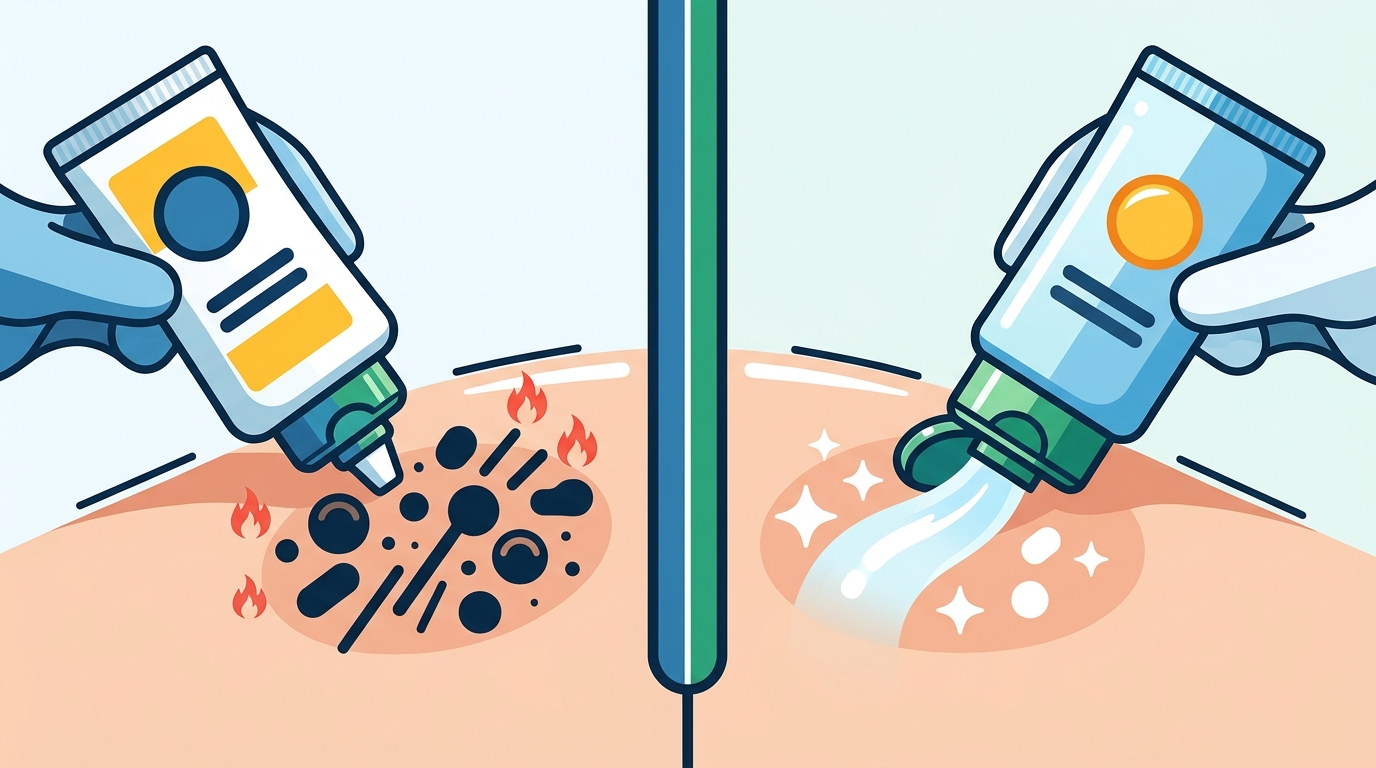
Beneficial Formulations for Acne-Prone Skin
Not all non-comedogenic sunscreens are created equal. Some formulations include active ingredients that actually help manage acne while providing sun protection. These dual-action products offer a strategic advantage for individuals managing chronic skin conditions.
Mineral Filters
Zinc oxide and titanium dioxide are the primary active ingredients in mineral sunscreens. These ingredients sit on top of the skin and reflect UV rays rather than absorbing them into the skin layers. This mechanism is particularly beneficial for acne-prone skin because it reduces the risk of chemical irritation. Furthermore, zinc oxide has natural anti-inflammatory properties that can help calm existing breakouts. The Clearly Zinq™ collection from Sonrei utilizes 100% mineral filters, making it an ideal choice for sensitive and acne-prone skin types seeking gentle yet effective protection.
Growth Factor Technology
Emerging research suggests that growth factors can aid in skin repair and regeneration. Sonrei is pioneering this space with its Beyond Balm™ and other growth factor-infused products. These formulations not only protect against UV damage but also support the skin's natural healing processes. For acne-prone individuals, this means faster recovery from breakouts and improved skin texture over time. This innovative approach represents a shift from passive protection to active skin health management.
Texture and Finish Considerations
The sensory experience of a sunscreen plays a significant role in its daily use. If a product feels heavy, greasy, or leaves a white cast, users are less likely to apply the recommended amount, leading to inadequate protection. For acne-prone skin, a lightweight, matte finish is often preferred to minimize the appearance of oiliness.
Sonrei’s Sea Clearly™ SPF 35 is an invisible hydrating gel that melts into the skin without leaving a white cast. This is particularly important for individuals with darker skin tones who often struggle with the residual white residue left by traditional mineral sunscreens. The gel texture ensures that the product does not feel like a heavy layer on the skin, reducing the likelihood of pore congestion. Additionally, the Sea Clearly™ Organic SPF 50 Mist offers a clear spray option that allows for easy reapplication over makeup, ensuring consistent protection without disturbing the underlying skincare routine.
Comparison of Sunscreen Types
Choosing the right sunscreen involves understanding the differences between chemical, mineral, and hybrid formulations. Each type has distinct advantages and disadvantages for acne-prone skin.
| Sunscreen Type | Active Ingredients | Best For | Acne-Prone Suitability |
|---|---|---|---|
| Mineral | Zinc Oxide, Titanium Dioxide | Sensitive, Reactive Skin | High. Anti-inflammatory and non-irritating. |
| Chemical | Oxybenzone, Avobenzone | Clear Application | Low. Can cause irritation and breakouts. |
| Hybrid | Mix of Mineral and Chemical | Balanced Protection | Moderate. Depends on specific formulation. |
| Growth Factor | Mineral Filters + Peptides | Repair and Protection | Very High. Supports skin healing. |
As shown in the table above, mineral and growth factor formulations generally offer the best outcomes for acne-prone individuals. Chemical sunscreens, while often lighter in texture, can penetrate the skin and cause irritation in sensitive types. Sonrei’s commitment to clean and sustainable practices ensures that their products avoid harmful chemicals like oxybenzone and octinoxate, which are known to disrupt hormonal balance and irritate skin.
Key Takeaways
- Non-comedogenic means the product is formulated not to clog pores, but verification of ingredients is still necessary.
- Avoid heavy oils, waxes, and comedogenic emulsifiers like isopropyl myristate to prevent breakouts.
- Mineral sunscreens with zinc oxide offer anti-inflammatory benefits and are ideal for sensitive skin.
- Growth factor technology, as seen in Sonrei’s innovations, supports skin repair alongside UV protection.
- Lightweight textures like gels and mists reduce the risk of pore congestion compared to heavy creams.
- Sonrei’s Sea Clearly™ and Clearly Zinq™ lines are specifically designed for non-comedogenic, broad-spectrum protection.
- Consistent reapplication is crucial, and mist formulations allow for easy reapplication over makeup.
Frequently Asked Questions
Is non-comedogenic sunscreen safe for all skin types?
Yes, non-comedogenic sunscreens are generally safe for all skin types, including oily, dry, and combination skin. They are specifically designed to avoid clogging pores, making them suitable for those prone to acne.
Can mineral sunscreen cause breakouts?
While mineral sunscreens are generally less irritating than chemical ones, some individuals may still experience breakouts if the base formulation contains heavy waxes or oils. It is important to check the full ingredient list.
What is the difference between SPF 35 and SPF 50?
SPF 35 blocks approximately 97% of UVB rays, while SPF 50 blocks about 98%. The difference is minimal in terms of protection, but SPF 50 may be preferred for extended outdoor exposure or for those with very fair skin.
How often should I reapply non-comedogenic sunscreen?
Reapply every two hours when outdoors, or immediately after swimming or sweating. Sonrei’s Organic SPF 50 Mist is designed for easy and frequent reapplication.
Does Sonrei use oxybenzone in their products?
No, Sonrei’s formulations are free from oxybenzone and octinoxate. They prioritize clean, sustainable ingredients that are safe for both the skin and the environment.
Can I use non-comedogenic sunscreen under makeup?
Yes, many non-comedogenic sunscreens, especially gels and lightweight lotions, are designed to work well under makeup. Sonrei’s Sea Clearly™ SPF 35 provides a smooth base that does not pill or interfere with foundation.
What is Organoshield Technology?
Organoshield Technology is Sonrei’s proprietary approach to sun care that combines broad-spectrum protection with skin-loving ingredients to create a breathable, effective barrier against UV rays.
Find Your Perfect Sun Protection
Choosing the right non-comedogenic sunscreen is a critical step in maintaining healthy, clear skin. By understanding the criteria for safe formulations and leveraging innovative technologies like growth factors and mineral filters, you can protect your skin without triggering breakouts. Sonrei offers a range of award-winning luxury sunscreens designed to meet these exact needs. Explore the Sea Clearly™ and Clearly Zinq™ collections to find the perfect balance of protection and skin health. Visit sonreiskin.com today to start your journey to clearer, protected skin.