
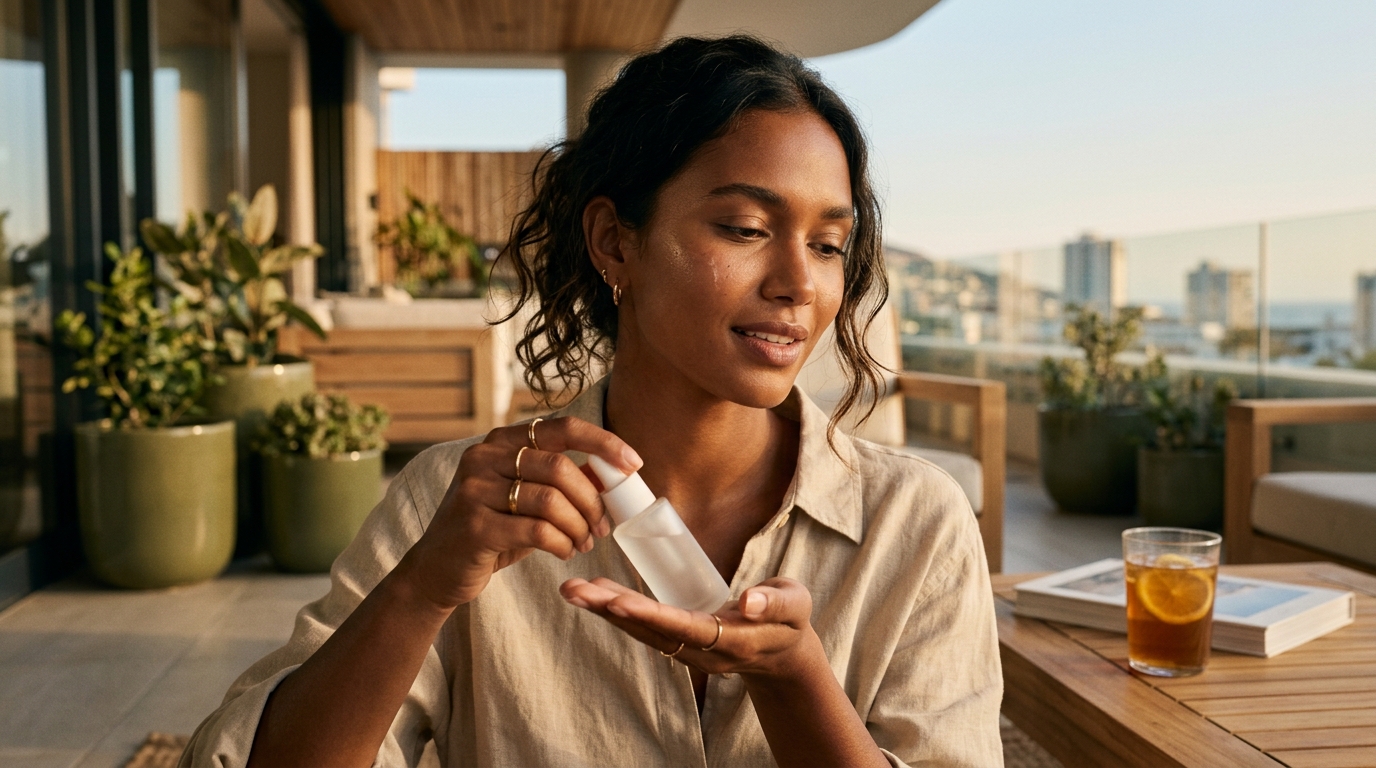
Modern dermatological research indicates that the majority of premature skin aging is caused by cumulative ultraviolet exposure. According to the Skin Cancer Foundation, up to 90% of visible skin changes are linked to sun damage. This statistic underscores the critical need for daily protection. However, many consumers abandon sunscreen routines because traditional formulas feel heavy, sticky, or leave a white cast. Finding a product that offers robust defense without compromising comfort is the key to consistency. This guide outlines the essential criteria for selecting a sunscreen that feels invisible on the skin. (Sonrei Award Winning Luxury)
Understanding Filter Types and Texture
The foundation of any sunscreen lies in its active ingredients. These are categorized into two main groups: chemical and mineral filters. Chemical filters are organic compounds that absorb UV radiation and convert it into heat. They are often preferred for lightweight formulations because they tend to be more transparent and less likely to leave a white residue on the skin. Mineral filters, also known as physical blockers, sit on top of the skin to reflect UV rays. While effective, traditional mineral sunscreens can feel thick and heavy.
For those seeking a non-greasy experience, chemical or hybrid formulas are often the superior choice. However, innovation has bridged the gap. Newer mineral formulations use micronized particles to reduce visibility and weight. When evaluating a product, check the ingredient list for zinc oxide or titanium dioxide. If these are present, look for terms like "micronized" or "transparent" to ensure a lightweight feel. Conversely, chemical filters like avobenzone or octocrylene are standard in gel-based sunscreens that dry down quickly.
The choice between these filters also impacts how the product interacts with other skincare products. Chemical filters generally layer better under makeup without pilling. This makes them ideal for daily urban wear where a seamless base is required. Mineral sunscreens can sometimes interfere with foundation application, leading to a patchy finish. Therefore, understanding your primary filter type is the first step in ensuring comfort.
Evaluating Key Ingredients for a Matte Finish
Beyond the active filters, the inactive ingredients determine the final texture. To achieve a non-greasy feel, look for formulations that include oil-absorbing agents. Ingredients like silica, nylon-12, and dimethicone are commonly used to create a matte or velvety finish. These components help control shine and allow the sunscreen to absorb rapidly into the epidermis.
Avoid formulas heavy in mineral oils or petrolatum if you are sensitive to greasiness. These occlusive ingredients are designed to lock in moisture but can feel suffocating on the skin. Instead, seek out hydrating agents like hyaluronic acid or glycerin. These ingredients provide moisture without adding oil. They help maintain the skin barrier while keeping the formula light. Growth factors are another emerging category. These are proteins that support skin repair and hydration. When combined with sunscreen, they offer dual benefits of protection and anti-aging support.
Additionally, consider the presence of antioxidants. Vitamins C and E are often added to sunscreens to neutralize free radicals generated by UV exposure. These antioxidants do not alter the texture significantly but enhance the overall efficacy of the product. A sunscreen that combines broad-spectrum protection with antioxidant support is a more comprehensive tool for daily defense. Always check for "octinoxate-free" and "oxybenzone-free" labels to ensure the formula is clean and sustainable.
Analyzing Texture and Absorption Rates
The physical state of the sunscreen dictates its application experience. Gel-based sunscreens are typically the lightest option available. They are water-based and evaporate quickly, leaving little to no residue. This makes them perfect for humid climates or for individuals who sweat heavily. Gel formulas often feel cool upon application and dry down to a natural finish.
Mist and spray sunscreens offer another lightweight alternative. These are particularly useful for reapplication over makeup. A clear mist can provide a fresh layer of protection without disturbing your base. However, ensure the mist is non-aerosol if you are concerned about inhalation or environmental impact. The key is to find a mist that disperses evenly without pooling in one area.
When testing a new product, apply a small amount to your jawline. Wait five minutes to observe the absorption. A true lightweight sunscreen will disappear into the skin without leaving a tacky film. If it feels sticky, it may attract dust and pollution throughout the day. This stickiness is often a sign of high polymer content or insufficient drying agents. Prioritize products that market themselves as "invisible," "translucent," or "dry-touch." These descriptors usually indicate a formulation designed for comfort.
Matching Formulation to Your Skin Type
Your specific skin type plays a crucial role in determining which sunscreen will feel best. For oily skin, oil-free and non-comedogenic formulas are essential. These products are designed not to clog pores. Look for gel textures that mattify the skin. For dry skin, a slightly more emollient formula may be necessary, but it should still avoid heavy greasiness. Hydrating gels with hyaluronic acid strike the right balance.
For sensitive skin, mineral filters are often recommended due to their lower risk of irritation. However, you can still find lightweight mineral options. The trick is to look for "rub-in" formulas that are specifically engineered for easy application. These minimize the need for heavy rubbing, which can irritate sensitive areas. Clearly Zinq is an example of a mineral line designed for sensitive skin, offering broad-spectrum protection with a gentle touch.
Dark skin tones often struggle with the white cast associated with mineral sunscreens. If you have deeper skin, prioritize chemical filters or advanced mineral technologies that are tinted or fully transparent. The goal is protection that is invisible. A sunscreen that leaves a purple or gray cast is not suitable for daily wear. It compromises the aesthetic experience and discourages consistent use. Always test a sample on your face, not just your hand, to check for cast and texture.
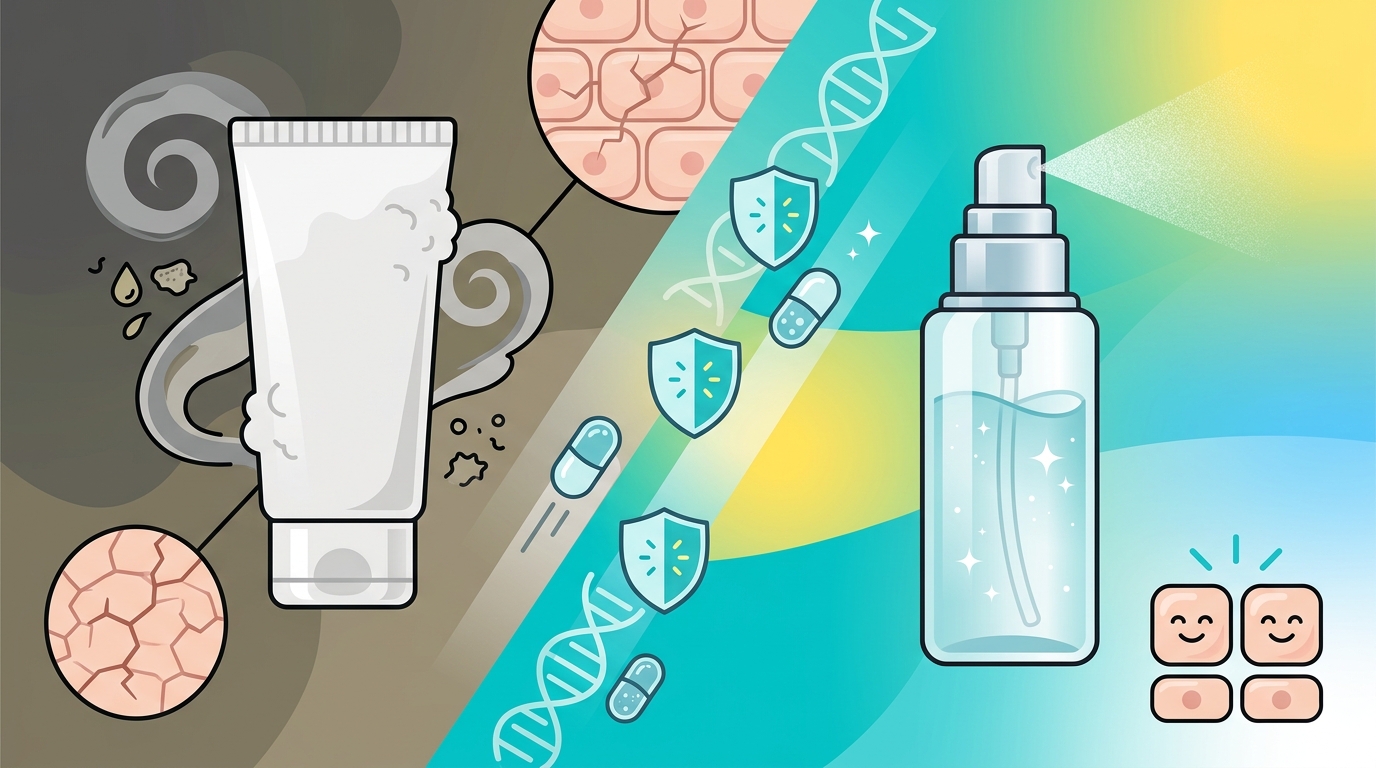
The Sonrei Approach to Lightweight Protection
Sonrei has redefined the category of luxury sunscreen by focusing on the user experience. Since 2019, the brand has formulated products that pair clinically proven actives with broad-spectrum protection. Their flagship Sea Clearly Gel is designed to be invisible and hydrating. It eliminates the white cast issue while providing a velvety matte finish. This makes it suitable for all skin tones, including darker complexions.
The brand also introduces Beyond Balm, a lip sunscreen that combines SPF with growth factor technology. This innovation addresses the often-neglected area of lip care. Lips are prone to sun damage and aging, yet traditional lip balms rarely offer adequate protection. Beyond Balm provides a silky, non-sticky finish that hydrates while it protects. This exemplifies the brand's commitment to elegant textures that fit seamlessly into daily routines.
Sonrei’s formulations are developed with dermatologists and tested for real-life conditions. They are free from octinoxate and oxybenzone, ensuring a clean and sustainable profile. The brand offers various formats, including gels, mists, and refills. The refill system reduces waste, appealing to environmentally conscious consumers. By focusing on both efficacy and elegance, Sonrei demonstrates that high-performance sun care does not require a compromise on comfort.
| Format | Best For | Texture Profile | Reapplication Ease |
|---|---|---|---|
| Gel Sunscreen | Daily Face Wear | Invisible, Velvety Matte | High |
| Mist Sunscreen | Body & Over Makeup | Clear, Lightweight Spray | Very High |
| Mineral Gel | Sensitive Skin | Gentle, Rub-in Formula | Medium |
| Lip Balm SPF | Lip Protection | Silky, Non-Sticky | High |
Key Takeaways
- Prioritize chemical or hybrid filters for the most invisible and lightweight finish.
- Look for oil-absorbing ingredients like silica to ensure a matte, non-greasy feel.
- Gel and mist formats offer the fastest absorption rates for daily comfort.
- Mineral sunscreens can be lightweight if they use micronized particles and rub-in technology.
- Sonrei’s Sea Clearly Gel provides broad-spectrum protection with a velvety matte finish.
- Beyond Balm introduces growth factor technology to lip care for hydration and protection.
- Always test sunscreen on your face to check for white cast and tackiness.
Frequently Asked Questions
What is the best sunscreen texture for oily skin?
Gel-based sunscreens are typically the best choice for oily skin. They are water-based and absorb quickly without adding excess oil to the skin. Look for labels that say "oil-free" or "non-comedogenic" to ensure the formula will not clog pores.
How can I avoid a white cast with mineral sunscreen?
To avoid a white cast, choose mineral sunscreens that specify "transparent" or "micronized" zinc oxide. Alternatively, consider hybrid formulas that combine mineral filters with chemical filters to reduce visibility while maintaining gentle protection.
Is it safe to use sunscreen over makeup?
Yes, but the format matters. Use a clear mist or spray sunscreen for reapplication over makeup. These products disperse evenly without disturbing your base. Avoid rubbing in heavy creams, as this can break down your makeup.
What are growth factors in sunscreen?
Growth factors are proteins that support skin repair and regeneration. When included in sunscreen, they help combat signs of aging while protecting against UV damage. This dual action makes them a valuable addition to daily skincare routines.
How often should I reapply sunscreen?
Dermatologists recommend reapplying sunscreen every two hours when exposed to the sun. If you are indoors, a single morning application may suffice, but reapplication is crucial during outdoor activities or near windows.
Are refillable sunscreens effective?
Refillable sunscreens are just as effective as their original counterparts. They offer the same protection levels while reducing plastic waste. Sonrei offers refill pods for their Sea Clearly Gel, allowing you to maintain your routine sustainably.
Can I use sunscreen if I have sensitive skin?
Yes, but you should opt for mineral-based formulas. Mineral sunscreens sit on top of the skin and are less likely to cause irritation. Look for products free from fragrances and harsh chemicals to minimize the risk of reactions.
Start Your Daily Ritual
Choosing the right sunscreen is an investment in your long-term skin health. By focusing on lightweight, non-greasy formulations, you ensure that protection becomes a seamless part of your daily life. Explore the Sonrei collection to find the perfect balance of efficacy and elegance. Visit Skincare With A Smile for more insights on building a sustainable sun care routine. Protect your skin with confidence and comfort.