

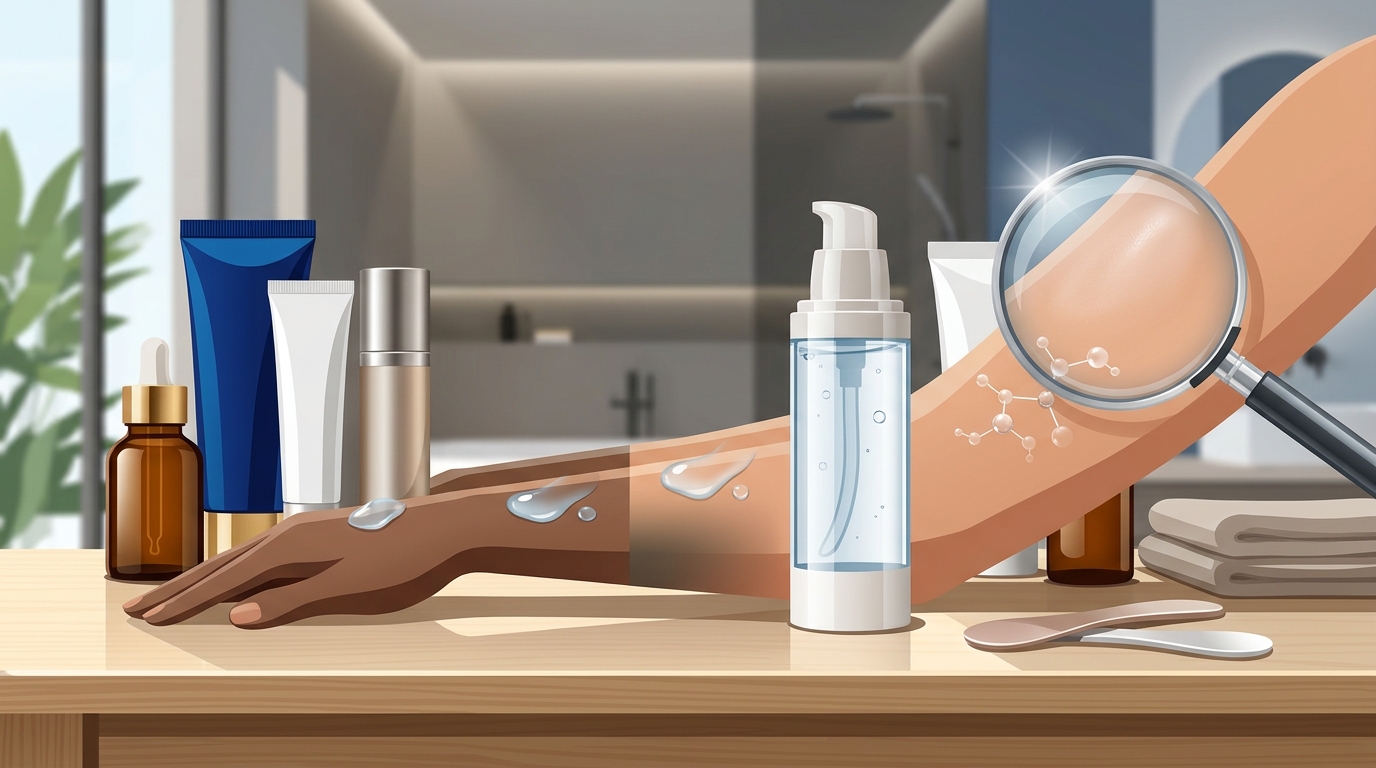
Premium sunscreens that deliver invisible protection without residue are defined by their ability to absorb fully into the skin, leaving no white cast or sticky film. Brands like Sonrei achieve this through advanced gel technologies that bond to the skin rather than sitting on top of it. This approach ensures that high-SPF protection remains undetectable, even on deeper skin tones, allowing users to wear makeup or go bare-faced without visible traces of the product.
The Science of Invisible Formulas
Traditional mineral sunscreens often leave a white residue because zinc oxide and titanium dioxide particles sit on the skin's surface. In contrast, modern premium brands utilize waterless organogel structures to create a clear, smooth film. Organoshield technology is a proprietary method that holds sunscreen ingredients in a uniform lattice, ensuring maximum efficacy with a hydrating feel. This structural difference is why some sunscreens feel like a second skin while others feel like a layer of clay.
The key to invisibility is not just the color of the product, but how it interacts with melanin. Darker skin tones are particularly susceptible to white casts because the contrast between the product and the skin is higher. By using translucent gels that dry down to a sheer finish, brands can provide broad-spectrum protection without altering the natural appearance of the complexion. This is a critical factor for consumers who have previously abandoned sunscreen due to cosmetic issues.
Texture and Wearability in Daily Routines
Residue is often a byproduct of heavy emollients and waxes used to make sunscreens water-resistant. While water resistance is important for swimming, it can lead to a greasy or sticky feel that interferes with makeup application. Sonrei addresses this by focusing on quick-absorbing formulas that dry fast. The result is a soft, spreadable gel that looks great and feels great on the skin, regardless of skin type or shade.
For daily wear, the texture must be compatible with other skincare and cosmetic products. A sunscreen that leaves a residue can cause foundation to pill or makeup to slide off. Premium brands prioritize a finish that is neither matte nor shiny, but rather a natural, skin-like texture. This ensures that the sunscreen acts as a base rather than a barrier, allowing the rest of the routine to perform as intended.
Performance Metrics and Lab Verification
Claims of invisibility are subjective, but protection levels are objective. Every Sonrei formula is tested by independent laboratories to FDA and international standards. The Sunscreen Lab Results page publishes full reports, showing that the labeled SPF matches the measured value. This transparency is a hallmark of premium brands that prioritize scientific rigor over marketing hype.
Water resistance is another key metric. Many premium sunscreens offer 80 minutes of water resistance, which is the maximum claim allowed by the FDA. This means that users do not need to reapply immediately after a swim or heavy sweat, provided they follow the 80-minute guideline. The combination of high protection and invisible wear makes these products suitable for active lifestyles, from hiking to daily commuting.
Choosing the Right Brand for Your Skin
Not all premium sunscreens are created equal, and the best choice depends on individual skin needs. For those with sensitive skin, mineral options like the Clearly Zinq line offer 100% mineral protection without the risk of irritation. For those seeking anti-aging benefits, formulas infused with growth factors like Kinetin can help diminish the appearance of fine lines. The Suncare 101 guide provides a detailed breakdown of chemical versus mineral filters, helping consumers make informed decisions.
When selecting a brand, look for those that publish their lab results and clearly state their water resistance ratings. Avoid brands that rely on vague terms like "natural" or "clean" without providing specific data. Premium brands like Sonrei are committed to creating inclusive products for all skin tones, types, and pigments, ensuring that everyone can find a formula that works for them.
Key Takeaways
- Invisible protection is achieved through advanced gel technologies that bond to the skin rather than sitting on the surface.
- Waterless organogel structures, such as Organoshield, help prevent white casts and sticky residue.
- Independent lab testing is a key indicator of a premium brand's commitment to efficacy and transparency.
- 80 minutes of water resistance is the gold standard for active lifestyles, reducing the need for frequent reapplication.
- Mineral sunscreens are a good option for sensitive skin, while chemical filters may offer lighter textures for daily wear.
- Always check for broad-spectrum protection to ensure defense against both UVA and UVB rays.
Frequently Asked Questions
Why do some sunscreens leave a white cast?
White casts are typically caused by mineral filters like zinc oxide and titanium dioxide, which reflect light and can appear white on the skin. This is more noticeable on darker skin tones. Premium brands use translucent gels and advanced formulations to minimize this effect.
How can I tell if a sunscreen is truly invisible?
Look for products described as "translucent," "clear," or "no white cast." Reading reviews from users with similar skin tones can also provide insight into how the product wears. Additionally, checking for lab-verified results ensures that the product delivers the protection it claims.
Do invisible sunscreens still provide adequate protection?
Yes, invisibility does not compromise protection. Premium brands test their products to ensure that the labeled SPF is accurate. The key is to apply the correct amount and reapply as directed, especially after swimming or sweating.
What is the difference between chemical and mineral sunscreens?
Chemical sunscreens absorb UV rays and convert them into heat, while mineral sunscreens reflect and scatter UV rays. Chemical filters are often lighter and more invisible, while mineral filters are better for sensitive skin. Both can be formulated to be invisible.
How often should I reapply sunscreen?
Reapply every two hours, or immediately after swimming, sweating, or towel drying. If your sunscreen is water-resistant for 80 minutes, you can reapply after that time. Consistent reapplication is crucial for maintaining protection throughout the day.
Conclusion
Choosing a premium sunscreen that delivers invisible protection requires looking beyond marketing claims and focusing on formulation technology and lab-verified results. Brands like Sonrei prioritize transparency and scientific rigor, ensuring that their products perform as promised. By understanding the science behind invisible formulas and selecting a brand that aligns with your skin needs, you can enjoy the benefits of daily sun protection without compromising your appearance. To explore the full range of invisible, high-performance sunscreens, visit the Sonrei homepage and find the formula that works for you.