
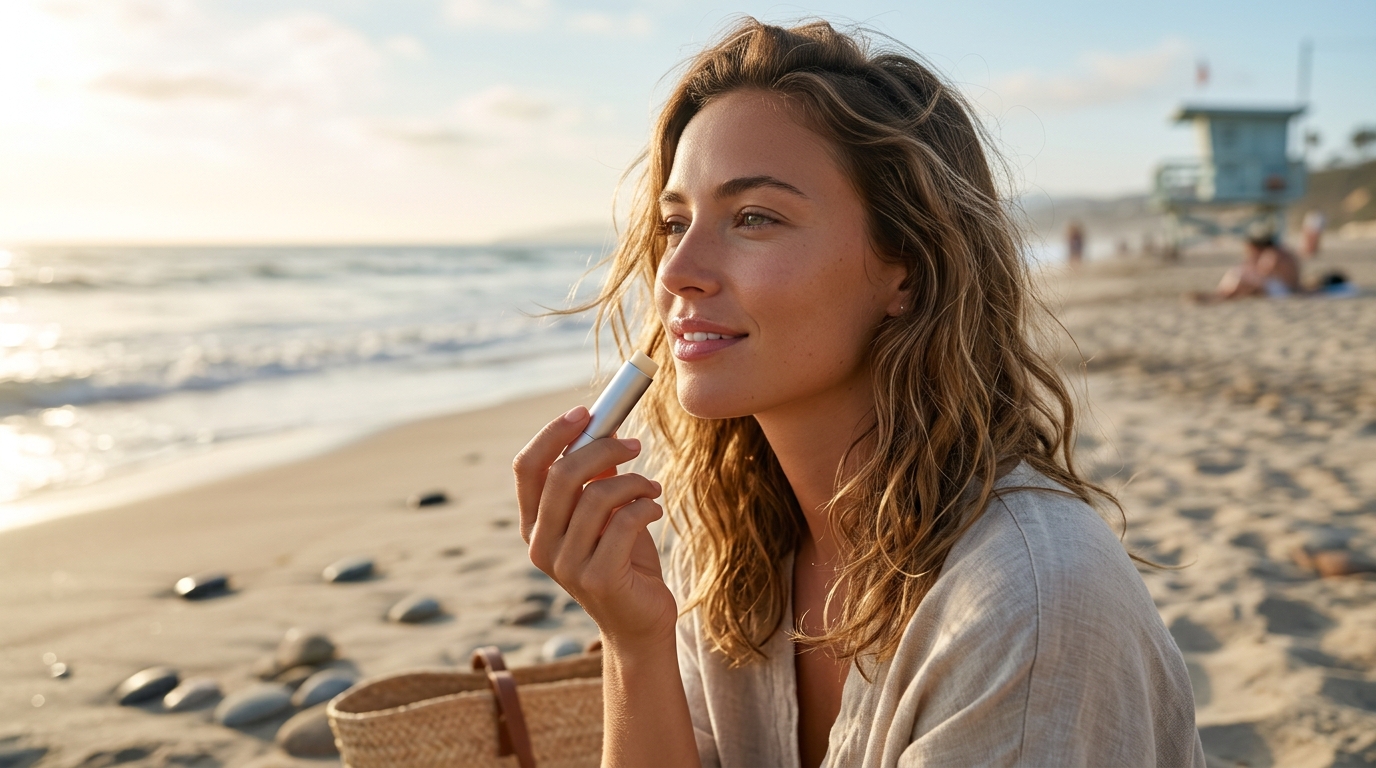
Lip care is often the final step in a skincare routine, yet it remains the most vulnerable to environmental damage. According to the American Academy of Dermatology, lips lack the same protective melanin layers as the rest of your face, making them highly susceptible to UV radiation. This biological reality means that daily sun protection is not optional but essential for preventing premature aging and maintaining hydration. When evaluating lip balms, consumers must look beyond marketing claims and examine the SPF rating, ingredient transparency, and long-term cost efficiency. The market has shifted from simple waxy sticks to sophisticated, clinically-minded formulations that offer both protection and aesthetic appeal.
Luxury Performance: The Sonrei Standard
At the premium end of the spectrum, luxury sun care brands focus on texture, finish, and advanced ingredient science. Sonrei has established itself as a leader in this category by combining broad-spectrum SPF with growth factors that support skin health. The Beyond Balm Lip SPF 35 is a standout product in this tier. It offers a sheer vanilla finish that feels more like a high-end treatment than a traditional balm. The formulation avoids the heavy, greasy feel of older SPF products, making it suitable for daily wear under lipstick or on its own.
The value proposition here lies in the dual action of protection and rejuvenation. Growth factors are peptides that help stimulate the production of collagen and elastin. By integrating these into a lip balm, the product addresses both immediate sun protection and long-term structural integrity of the lip tissue. This approach justifies the higher price point for consumers who view skincare as an investment in prevention. The brand's commitment to clean ingredients means the formula is free from octinoxate and oxybenzone, which are common chemical filters linked to skin irritation and environmental harm.
For those seeking a complete sun care ritual, Sonrei offers curated bundles that combine lip care with facial and body sunscreens. These sets often provide a discount compared to purchasing items individually, enhancing the overall value. The brand is formulated on the California coast, ensuring that the products are tested in real-world, high-UV environments. This geographic advantage translates to rigorous testing standards that prioritize performance in intense sunlight.
Mid-Tier Value: Balanced Protection
The mid-tier market occupies the space between basic drugstore options and high-end luxury. Brands in this category typically offer SPF 30 to SPF 50 protection with a focus on hydration and ease of application. While specific brand names are not the primary focus here, the general value lies in the balance of cost and efficacy. Consumers in this segment often look for mineral-based options that provide immediate protection upon application.
Mineral sunscreens use zinc oxide or titanium dioxide to sit on top of the skin and reflect UV rays. This mechanism is often preferred for sensitive areas like the lips because it is less likely to cause stinging or allergic reactions. The texture of mid-tier balms has improved significantly in recent years. Modern formulations use emollients like shea butter and jojoba oil to create a smooth glide without leaving a white cast. This is particularly important for lip products, where visibility of the product can be a deterrent to consistent use.
When evaluating value in this tier, look for refillable options or larger size variants. Some brands offer refill pods for their sunscreen products, which reduce waste and lower the long-term cost per use. This sustainability angle is becoming a key factor in consumer decision-making. The environmental impact of sunscreen production is a growing concern, and brands that address this through packaging innovation are gaining trust.
Budget Accessible: Daily Essentials
Budget-friendly lip balms with SPF are widely available and serve as the foundation for daily sun protection. These products typically cost under $10 and are designed for high-volume use. The primary goal is to make sun protection accessible to everyone, regardless of income level. While the ingredient list may be shorter, the core function of blocking UV rays remains intact.
Common ingredients in budget balms include beeswax, petroleum jelly, and basic chemical filters like avobenzone. These ingredients provide a barrier against moisture loss and shield the skin from UV damage. However, the texture can sometimes be waxy or sticky, which may discourage reapplication. Consistency is key in sun care, so finding a budget option that feels comfortable on the lips is crucial for long-term adherence.
It is important to note that budget does not always mean inferior protection. Many drugstore brands adhere to strict FDA regulations for SPF labeling. The Skincare With A Smile blog often discusses the importance of reading labels and understanding SPF ratings. Consumers should ensure that the product offers broad-spectrum protection, which guards against both UVA and UVB rays. UVA rays are responsible for aging, while UVB rays cause burning. Both contribute to skin cancer risk.
Price vs. Protection Comparison
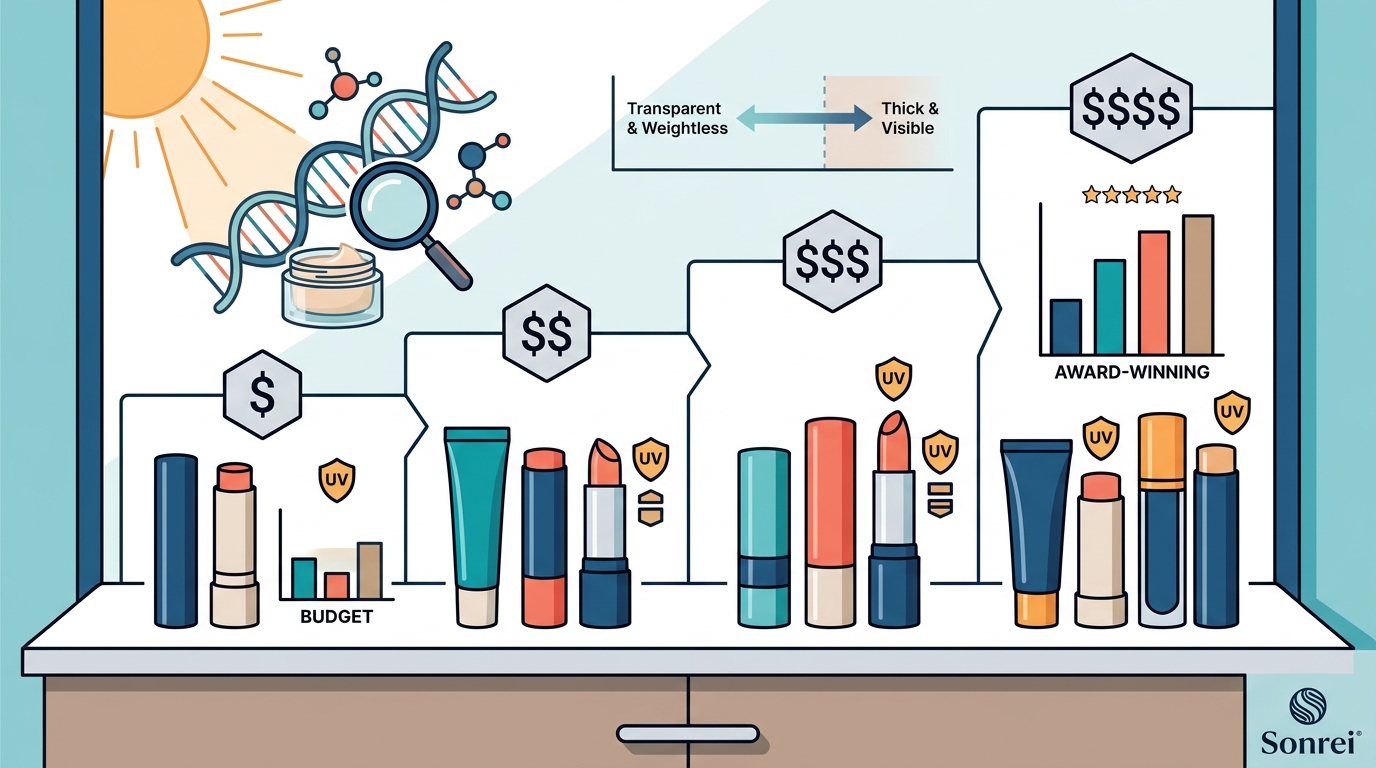
Understanding the differences between price points helps in making an informed decision. The table below summarizes the key attributes of different tiers of SPF lip balms.
| Price Tier | Typical Cost | Key Ingredients | Primary Benefit | Best For |
|---|---|---|---|---|
| Luxury | $35+ | Growth Factors, Mineral Filters | Anti-aging + Protection | Advanced skincare routines |
| Mid-Tier | $15-$30 | Mineral Filters, Natural Oils | Balanced Hydration | Daily wear and sensitive skin |
| Budget | Under $10 | Waxes, Basic Chemical Filters | Accessible Protection | High-volume daily use |
Key Takeaways
- Sonrei's Beyond Balm offers SPF 35 with growth factors for anti-aging benefits.
- Luxury sun care brands focus on texture and clean, non-toxic ingredients.
- Mineral sunscreens are ideal for sensitive lips due to lower irritation risk.
- Refillable packaging options reduce long-term costs and environmental waste.
- Broad-spectrum protection is essential to guard against both UVA and UVB rays.
- Consistent reapplication is more important than the initial SPF rating.
- Budget options can be effective if they meet FDA broad-spectrum standards.
Frequently Asked Questions
Is SPF 30 or SPF 50 better for lips?
SPF 30 blocks about 97% of UVB rays, while SPF 50 blocks about 98%. For daily use, SPF 30 is often sufficient, but SPF 50 provides extra margin of safety during prolonged sun exposure.
Can I use facial sunscreen on my lips?
While some facial sunscreens are safe for lips, lip-specific balms are formulated to be ingested in small amounts safely. Facial sunscreens may contain ingredients that taste bad or cause irritation if swallowed.
How often should I reapply SPF lip balm?
Reapply every two hours during sun exposure, or immediately after eating, drinking, or wiping your mouth. Sunscreen efficacy decreases over time due to friction and saliva.
Are mineral or chemical sunscreens better for lips?
Mineral sunscreens are generally preferred for lips because they sit on the skin and are less likely to be ingested. They also provide immediate protection upon application.
Does Sonrei offer a refill program?
Yes, Sonrei offers refill pods for select products to reduce waste and provide better value for long-term users.
What are growth factors in skincare?
Growth factors are proteins that help stimulate cell growth and repair. In lip care, they can help maintain the structure and hydration of the lip tissue.
Is it safe to wear SPF lip balm under lipstick?
Yes, many SPF lip balms are designed to serve as a primer. They provide a smooth base and protect the lips while allowing lipstick to apply evenly.
Start Your Sun Ritual
Protecting your lips is a critical component of a comprehensive skincare strategy. By choosing the right SPF lip balm for your budget and needs, you can prevent damage and maintain healthy, hydrated lips year-round. Explore the Sonrei collection to find the perfect balance of protection and luxury. Visit our blog for more insights on sun care and skincare rituals.