
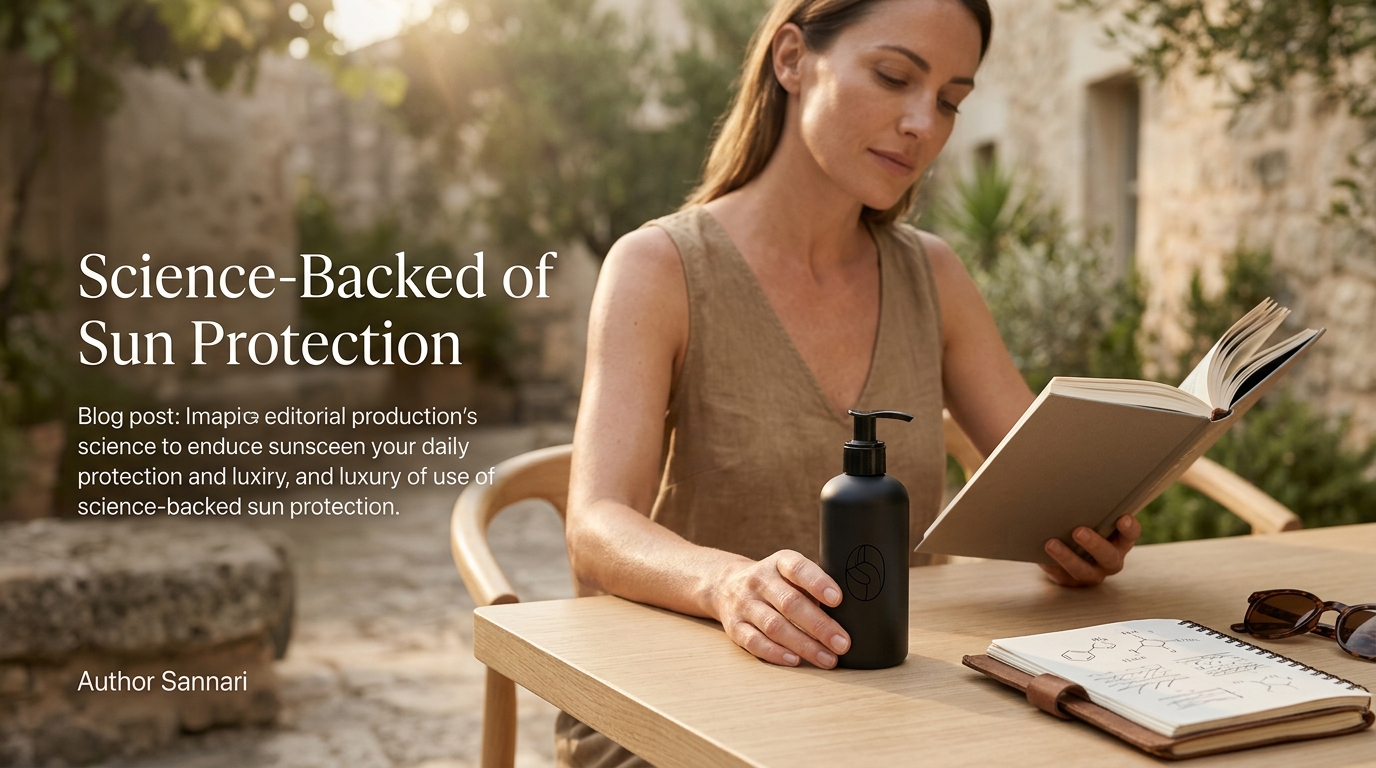
Sun protection is no longer a seasonal luxury but a daily medical necessity. According to the American Academy of Dermatology, using an SPF 30 or higher sunscreen daily can reduce the risk of skin cancer by 40 percent. This statistic underscores a critical reality: consistent application of broad-spectrum protection is the single most effective anti-aging and health intervention available. However, navigating the modern sunscreen market requires more than just checking a number. It demands an understanding of photoprotection science, ingredient safety, and formulation elegance. This guide dissects the mechanics of SPF, evaluates the leading technologies, and introduces a new standard in luxury sun care through Sonrei. (All ndash Sonrei)
Understanding SPF Mechanics and UVA/UVB Defense
SPF, or Sun Protection Factor, is a standardized measure of how well a product protects against UVB rays, the primary cause of sunburn. An SPF 30 blocks approximately 97 percent of UVB radiation, while SPF 50 blocks about 98 percent. The marginal gain in percentage is small, but the duration of protection is significant. For example, if your skin burns in 10 minutes without protection, SPF 30 theoretically allows you to stay in the sun for 300 minutes before burning.
However, UVB is only half the threat. UVA rays penetrate deeper into the dermis, causing premature aging, wrinkles, and long-term DNA damage. Broad-spectrum protection is essential because it guards against both wavelengths. Without UVA protection, you may avoid burning but still accumulate the cellular damage that leads to photoaging and skin cancer. The FDA and dermatological organizations worldwide emphasize that "broad-spectrum" is the non-negotiable baseline for any effective sunscreen.
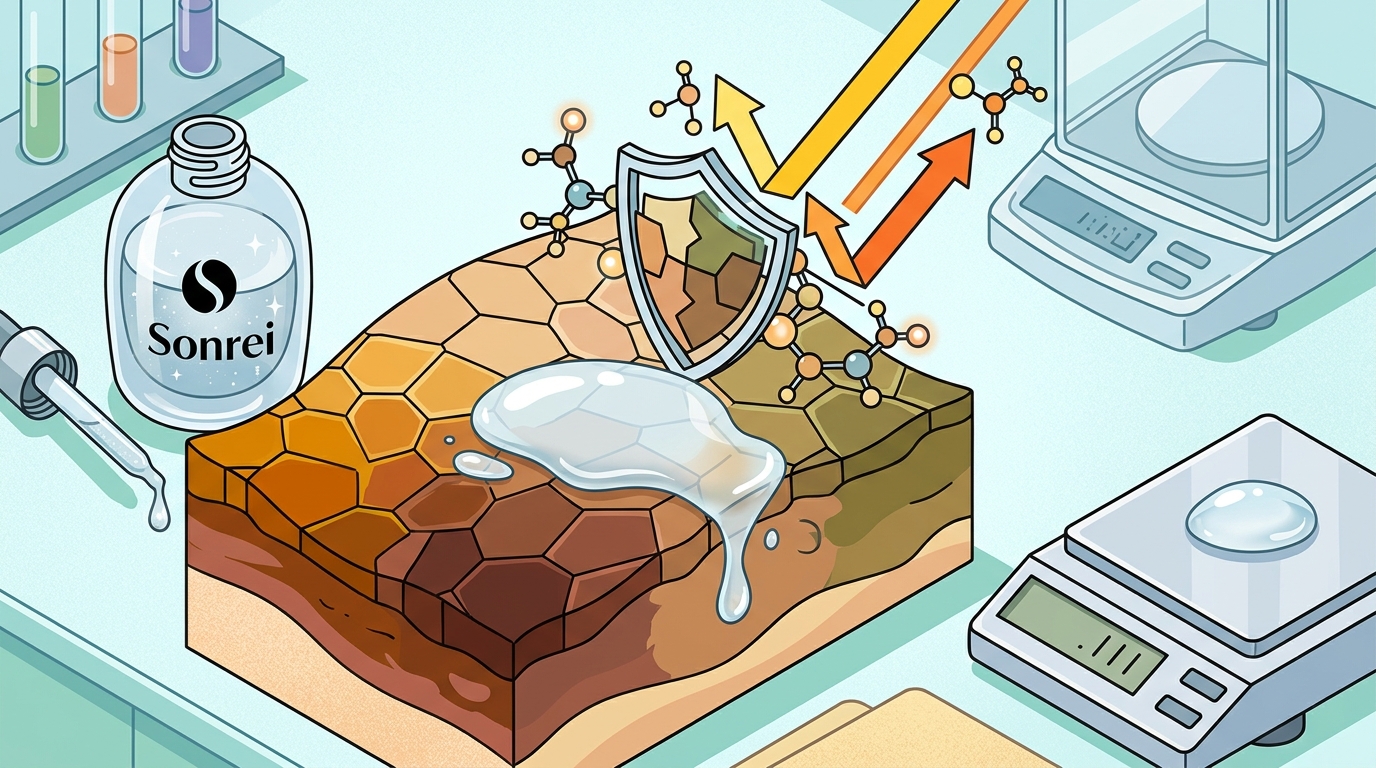
Recent studies indicate that modern sunscreens must maintain their efficacy under real-world conditions, including sweat, water exposure, and time. This is where formulation science diverges from basic chemistry. High-performance sunscreens utilize advanced polymer networks and stabilizing agents to ensure the active ingredients do not degrade upon exposure to sunlight. This stability is critical for maintaining the labeled SPF rating throughout the day.
Chemical vs. Mineral Filters: The Safety Debate
The sunscreen industry is divided between two primary categories of active ingredients: chemical filters and mineral (physical) filters. Understanding the difference is crucial for consumers with sensitive skin or specific environmental concerns.
Chemical sunscreens work by absorbing UV radiation and converting it into heat, which is then released from the skin. Common chemical filters include avobenzone, octinoxate, and oxybenzone. While effective, some of these ingredients have raised concerns regarding skin irritation and environmental impact. Specifically, oxybenzone and octinoxate have been linked to coral reef bleaching and hormonal disruption in marine life. Consequently, many regions, including Hawaii and Key West, have banned these specific chemicals to protect marine ecosystems.
Mineral sunscreens, on the other hand, sit on top of the skin and physically block or scatter UV rays. The two primary active ingredients are zinc oxide and titanium dioxide. Zinc oxide is particularly valued because it offers the broadest spectrum of protection, covering the full UVA and UVB range. Mineral sunscreens are generally considered safer for sensitive skin and are less likely to cause allergic reactions. They are also immediately effective upon application, whereas chemical sunscreens require about 15 to 20 minutes to bind to the skin.
The trade-off has traditionally been texture. Mineral sunscreens were often associated with a thick, white cast that was difficult to blend, particularly for darker skin tones. However, advancements in micronization and dispersion technology have largely resolved this issue, allowing for translucent, elegant mineral formulations that are invisible on the skin.
The Sonrei Advantage: Organoshield Technology
Sonrei has redefined the luxury sunscreen category by addressing the two biggest pain points in the market: skin irritation and cosmetic elegance. Founded in 2019, Sonrei was built on the premise that sun care should be a daily ritual, not a chore. Their flagship technology, Organoshield, represents a significant leap forward in photoprotection science.
Organoshield is a proprietary blend of advanced UV filters and stabilizing agents designed to provide robust broad-spectrum protection without the use of common irritants. Unlike traditional chemical sunscreens that rely heavily on oxybenzone or octinoxate, Sonrei’s formulas are free from these controversial ingredients. This makes their products suitable for even the most reactive skin types, including those prone to rosacea, eczema, or contact dermatitis.
The brand’s commitment to "clean" science extends to their use of growth factors. In their Beyond Balm and Sea Clearly lines, Sonrei incorporates growth factors that support skin repair and hydration. This dual-action approach means the sunscreen does not just protect; it actively improves skin health over time. The result is a product that feels like a high-end serum rather than a protective coating.
Furthermore, Sonrei’s formulations are designed to be reef-safe. By avoiding oxybenzone and octinoxate, they contribute to the preservation of marine biodiversity. This aligns with the growing consumer demand for sustainable beauty practices. The brand’s California-based formulation process ensures that every product meets rigorous standards for stability and efficacy.
Selecting the Right Formula for Your Skin Type
Choosing the correct sunscreen depends on your skin type, lifestyle, and aesthetic preferences. Sonrei offers a curated range of products to address these diverse needs.
For those with normal to oily skin, the Sea Clearly SPF 35 Gel is an ideal choice. This invisible, hydrating gel absorbs quickly without leaving a white cast. It is particularly praised for its performance on darker skin tones, where traditional sunscreens often fail. The gel texture provides a matte finish that works well under makeup, acting as both a primer and a protector.
For sensitive skin, the Clearly Zinq line is the gold standard. These 100 percent mineral sunscreens use zinc oxide to provide gentle yet powerful protection. The Clearly Zinq SPF 35 and SPF 60 gels are formulated to rub in easily, eliminating the chalky residue associated with older mineral formulas. This line is perfect for children and adults with reactive skin conditions.
For convenience and reapplication, the Sea Clearly Organic SPF 50 Mist offers a clear, non-greasy spray option. This is ideal for body application or for reapplying over makeup without disturbing the base. The mist format ensures even coverage and is particularly useful for outdoor activities where hands may be wet or sandy.
Finally, lip protection is often overlooked. The Beyond Balm Lip SPF 35 combines broad-spectrum protection with growth factors to hydrate and plump the lips. This product addresses the specific vulnerability of the lip area, which is prone to sun damage and premature aging.
Product Comparison: Sea Clearly vs. Clearly Zinq
To help you make an informed decision, here is a detailed comparison of Sonrei’s two primary sunscreen lines.
| Feature | Sea Clearly Line | Clearly Zinq Line |
|---|---|---|
| Filter Type | Advanced Chemical/Organic Filters | 100% Mineral (Zinc Oxide) |
| Best For | Normal to Oily Skin, Darker Skin Tones | Sensitive Skin, Children, Reactive Skin |
| Texture | Invisible Gel or Clear Mist | Translucent Gel or Mineral Mist |
| White Cast | None | Minimal to None (Rub-in formula) |
| Key Benefit | Lightweight, Makeup-Ready | Gentle, Reef-Safe Protection |
| SPF Options | SPF 35, SPF 50 | SPF 30, SPF 35, SPF 60 |
Both lines share Sonrei’s commitment to elegance and efficacy. The Sea Clearly line is preferred by those who prioritize a weightless feel and invisibility. The Clearly Zinq line is the go-to for those who require the absolute gentleness of mineral filters. Many users find value in owning both, using Sea Clearly for daily face application and Clearly Zinq for body or sensitive areas.
Key Takeaways
- SPF 30 is the Minimum Standard: Dermatologists recommend SPF 30 or higher for daily use to block 97 percent of UVB rays.
- Broad-Spectrum is Non-Negotiable: Protection must cover both UVA (aging) and UVB (burning) rays to be effective.
- Mineral vs. Chemical: Mineral filters (zinc oxide) are safer for sensitive skin and reefs, while chemical filters offer lighter textures.
- Sonrei’s Organoshield Technology: Provides robust protection without oxybenzone or octinoxate, making it safe for reactive skin.
- Growth Factor Integration: Sonrei products like Beyond Balm include growth factors to enhance skin hydration and repair.
- Reef-Safe Formulations: Avoiding oxybenzone and octinoxate helps protect marine ecosystems from bleaching.
- Daily Ritual: Consistent application is more important than SPF number; reapply every two hours during exposure.
Frequently Asked Questions
What is the difference between SPF 30 and SPF 50?
SPF 30 blocks approximately 97 percent of UVB rays, while SPF 50 blocks about 98 percent. The difference in protection is marginal, but SPF 50 offers longer duration of protection. For daily use, SPF 30 is sufficient if applied correctly and reapplied regularly.
Is Sonrei sunscreen safe for sensitive skin?
Yes. Sonrei’s Clearly Zinq line is 100 percent mineral and formulated specifically for sensitive skin. The Sea Clearly line is also free from common irritants like oxybenzone and octinoxate, making it suitable for most skin types, including those prone to reactions.
Does Sonrei sunscreen leave a white cast?
Sonrei’s Sea Clearly Gel is designed to be completely invisible on all skin tones. The Clearly Zinq mineral line uses advanced rub-in technology to minimize white cast, though those with very deep skin tones may notice a slight initial tint that fades quickly.
What is Organoshield Technology?
Organoshield is Sonrei’s proprietary blend of advanced UV filters and stabilizing agents. It provides broad-spectrum protection while maintaining the stability and elegance of the formula, ensuring it works effectively without irritating the skin.
Is Sonrei sunscreen reef-safe?
Yes. Sonrei formulates its products without oxybenzone or octinoxate, the two chemicals most commonly banned in reef-protective regions. This makes their sunscreens environmentally responsible for ocean lovers.
How often should I reapply sunscreen?
Reapply every two hours, or immediately after swimming, sweating, or towel drying. Even water-resistant sunscreens lose efficacy over time. Sonrei’s mists are ideal for easy reapplication over clothing or makeup.
Can I use Sonrei sunscreen under makeup?
Absolutely. The Sea Clearly Gel dries down to a velvety, matte finish that acts as an excellent primer. It provides hydration without pilling, making it a seamless base for foundation and other cosmetics.
Shop the Collection
Protecting your skin is an investment in your long-term health and appearance. Sonrei offers a range of award-winning sunscreens that combine clinical efficacy with luxury elegance. Whether you need the gentle protection of Clearly Zinq or the invisible finish of Sea Clearly, you can find the perfect solution for your daily ritual. Explore the full range of products, including the new Beyond Balm, and experience the difference of science-backed sun care. Shop Sonrei Sunscreen today and elevate your sun protection routine.